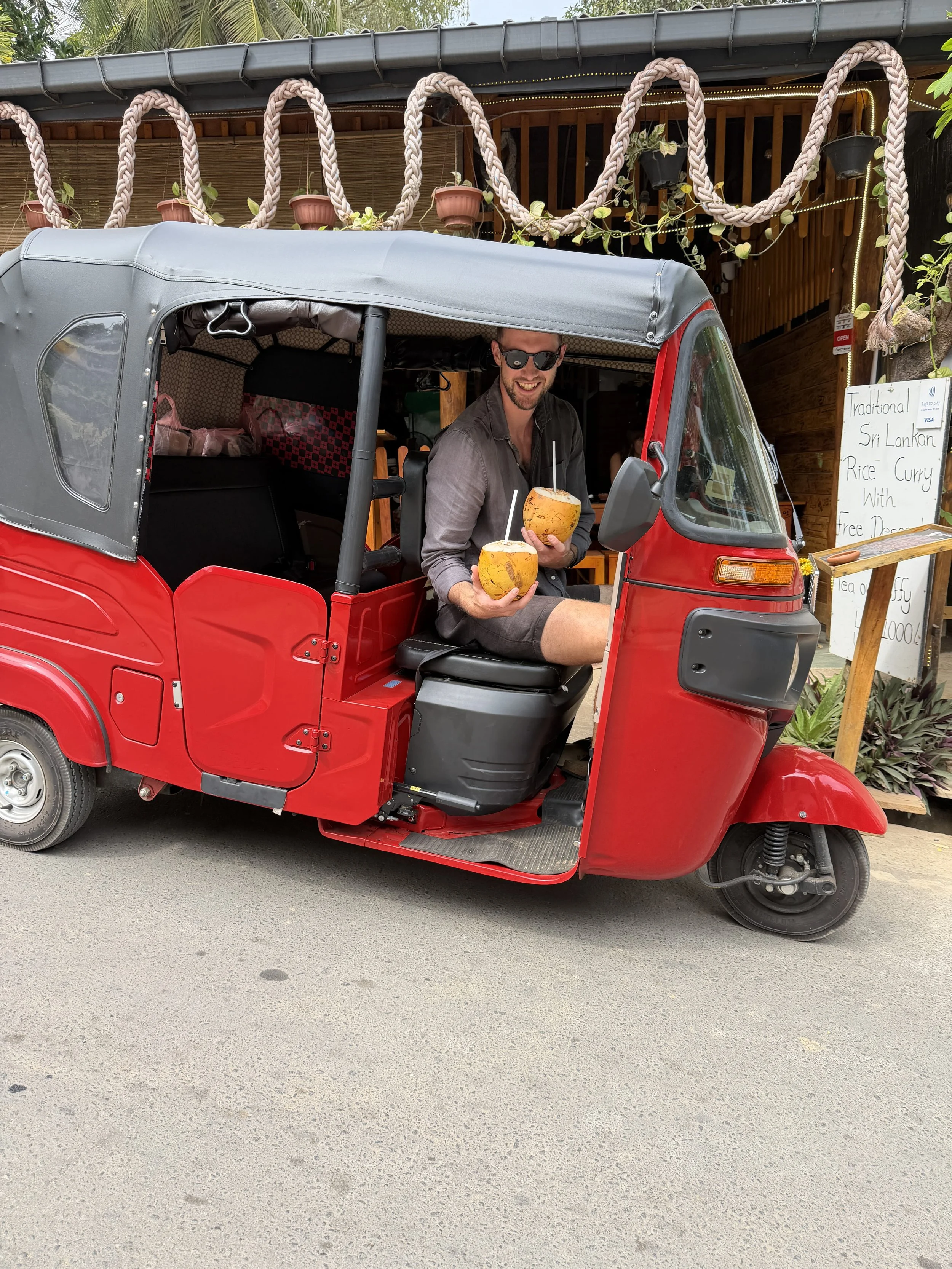
Two Weeks, Three Wheels: The Ultimate Self-Drive Tuk Tuk Adventure Around Sri Lanka
There are easier ways to see Sri Lanka.
You can hire a driver, sit back in an air-conditioned car and watch the island's scenery slide past the window. You can take the train through the mountains, fly between destinations, or join an organised tour where every hotel, meal and excursion has already been arranged.
But if you really want to experience Sri Lanka — rather than simply travel through it — there is something adventurous about doing it yourself.
And there is perhaps no better vehicle for the job than the trusty tuk-tuk.
For two weeks, a little three-wheeled machine becomes your transport, your luggage carrier, your rain shelter, your mobile viewpoint and, inevitably, one of the characters in your travel story.
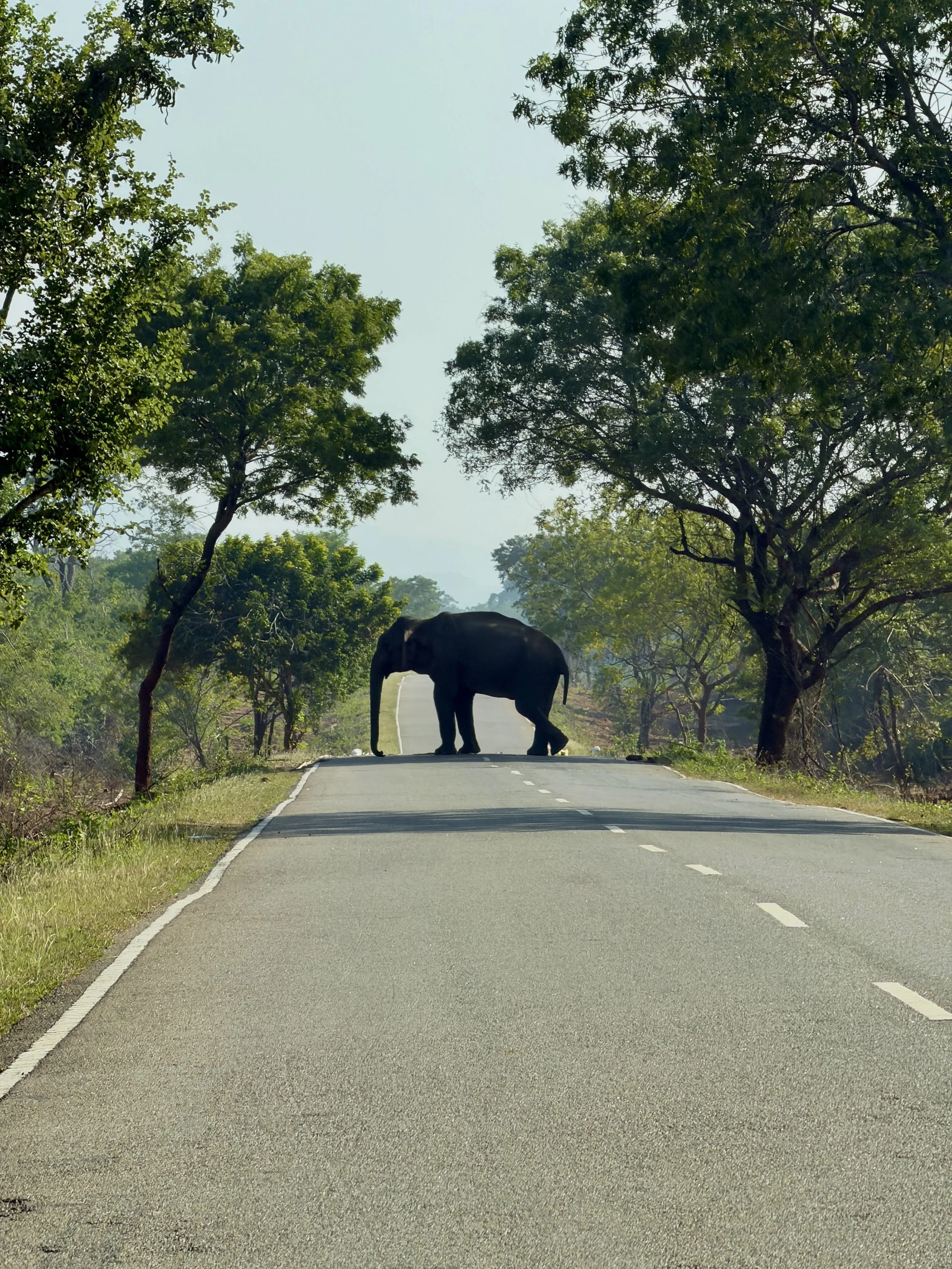
A self-drive tuk tuk holiday around Sri Lanka is not about covering huge distances or ticking attractions off a list. It is about winding through palm-lined villages, stopping because you spotted elephants in a field (or on the road in front of you as you pass through Yala), drinking tea beside a mountain road, getting hopelessly lost down the roads Google Maps told you was a “shortcut” and discovering somewhere you would never have found otherwise.
It is slow travel in the best possible sense.
This is a guide to planning a two-week self-drive tuk tuk adventure around Sri Lanka, including a suggested route, what to expect on the roads, where to stay, what to see, what to pack and — most importantly — how to make the journey itself the highlight of the holiday. If you want simple or fast, look away. If you want fun & the thrill of adventure, read on & get a discount by following this link.
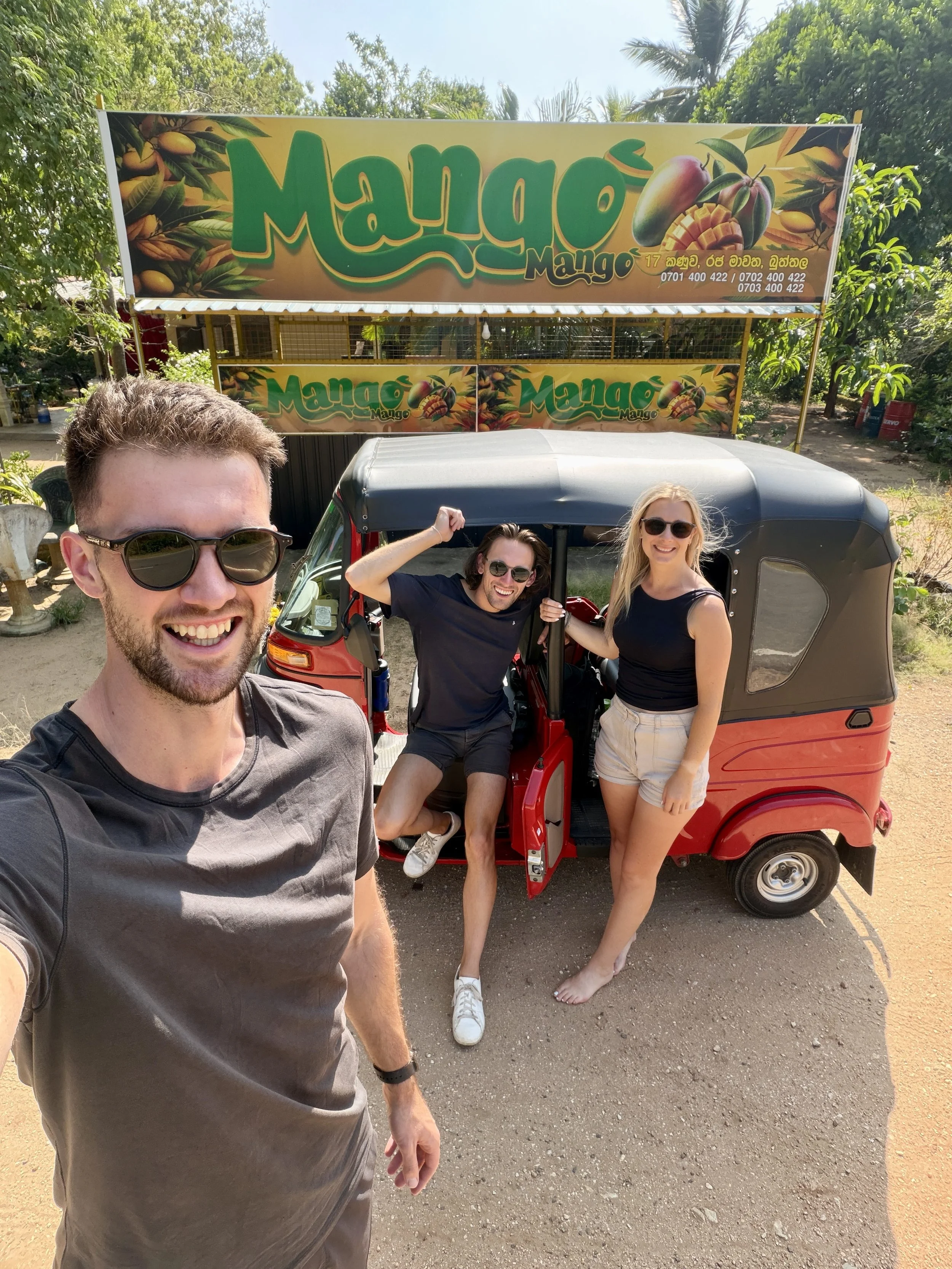
Why travel around Sri Lanka by tuk tuk?
The first question most people ask is simple:
Why would you drive yourself around Sri Lanka in a tuk tuk when cars, trains and buses are available?
The answer is equally simple. Because it is fun.
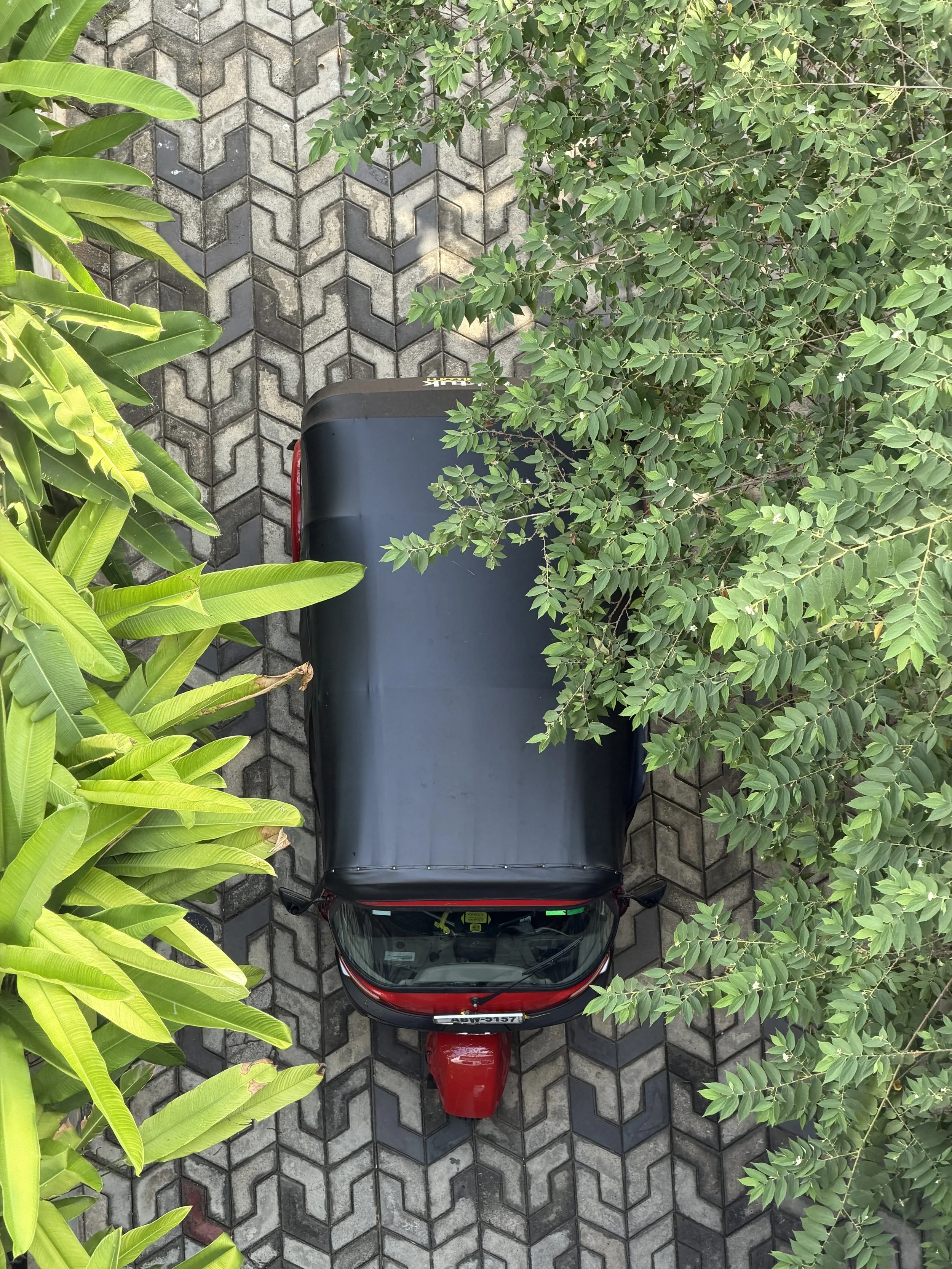
A tuk tuk is perfectly suited to the scale and character of Sri Lanka. It is small enough for narrow village roads, slow enough that you actually notice the landscape, inexpensive to run and open enough to make you feel connected to your surroundings (and take in a few unnecessary exhaust fumes along the way… Character building, right?).
You hear the birds.
You smell the corn cooking on the roadside.
You feel the cold crisp air as you climb into the hills.
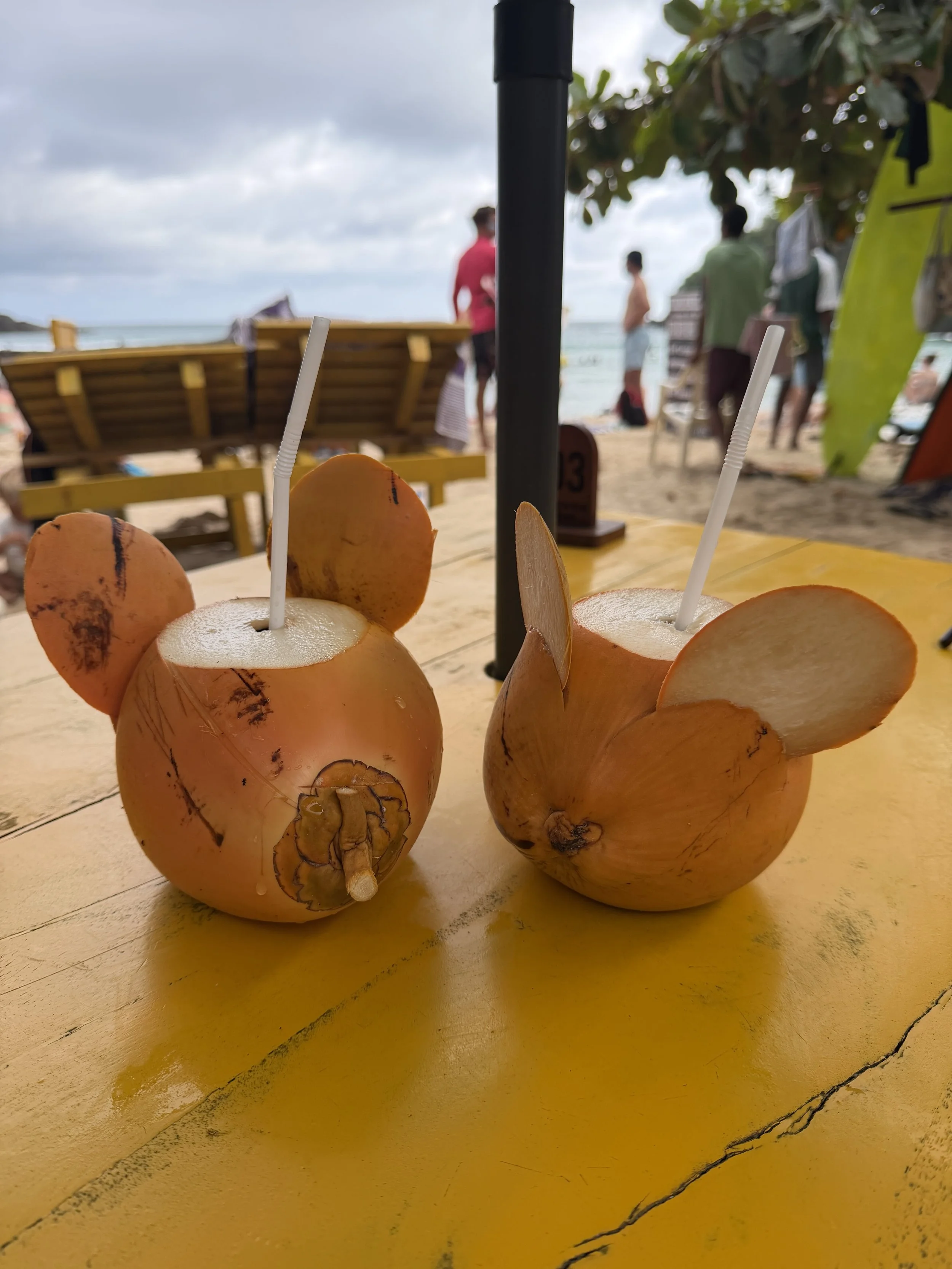
You can wave at kids walking home form school, stop for coconuts lotsssss of coconuts, pull over beside a rice paddy or turn down an unmarked road simply because it looks interesting.
And Sri Lankans are generally fascinated by travellers driving their own tuk tuks. A conventional rental car barely attracts attention. Arriving in a village in a brightly painted three-wheeler is another matter entirely. Especially if you’re a small blonde Australian girl!
Expect smiles, waves, questions and plenty of curious looks.
The tuk tuk also changes the pace of your trip.
A journey that might take an hour in a car can take considerably longer when you're travelling at tuk tuk speed. Most roads have you capped at 40km/h but that is not necessarily a disadvantage.
In fact, it is the point. Slow travel in its finest form.
The perfect two-week Sri Lankan tuk tuk itinerary
Two weeks is enough time to experience a surprisingly large portion of Sri Lanka, although it is not enough to see everything.
The mistake would be trying to do exactly that.
Instead, this route combines the island's highlights with plenty of time simply to enjoy being on the road.
Be warned, breakdowns happen, weather is temperamental & detours are now a daily occurrence. Leave time for the unexpected.
Suggested route (November - March Dry Season)
Day 1 – Negombo / Arrival & TukTuk pickup
Day 2 – Negombo to Sigiriya Rock
Day 3 – Sigiriya to Kandy
Day 4 – Kandy to Nuwara Eliya
Day 5 – Nuwara Eliya and the tea country
Day 6 – Ella (9 Arch Bridge)
Day 7 – Yala National Park Safari
Day 8 – Hiriketiya
Day 9 – Hiriketiya
Day 10 – Mirissa / Weligama
Day 11 – Mirissa / Weligama
Day 12 – Ahangama
Day 13 – Galle
Day 14 – Return to Negombo / Colombo
This gives you a satisfying loop through the island:
West Coast → Cultural Triangle → Kandy → Tea Country → Ella → Wildlife Country → South Surf Coast → Galle Fort → West Coast
You will experience ancient cities, temples, mountains, tea plantations, wildlife, surf beaches and colonial architecture — all while having the freedom to stop whenever something catches your eye. Quite possibly the most diverse holiday possible.
Save 5% off your booking at TukTukrentals.com by following this link while supporting locals.
Day 1: Arrive in Sri Lanka
Your first day should be deliberately easy.
After arriving in Sri Lanka, resist the temptation to immediately collect your tuk tuk and drive several hours across the island.
Spend the night around Negombo, close to Bandaranaike International Airport. The TukTuk.com rental office is just minutes from the airport & have suggestions for accomodation nearby.
Negombo is a convenient introduction to Sri Lanka. It has a long beach, fishing boats, seafood restaurants and enough accommodation to suit almost every budget.
More importantly, it gives you an opportunity to recover from the flight before beginning your road trip.
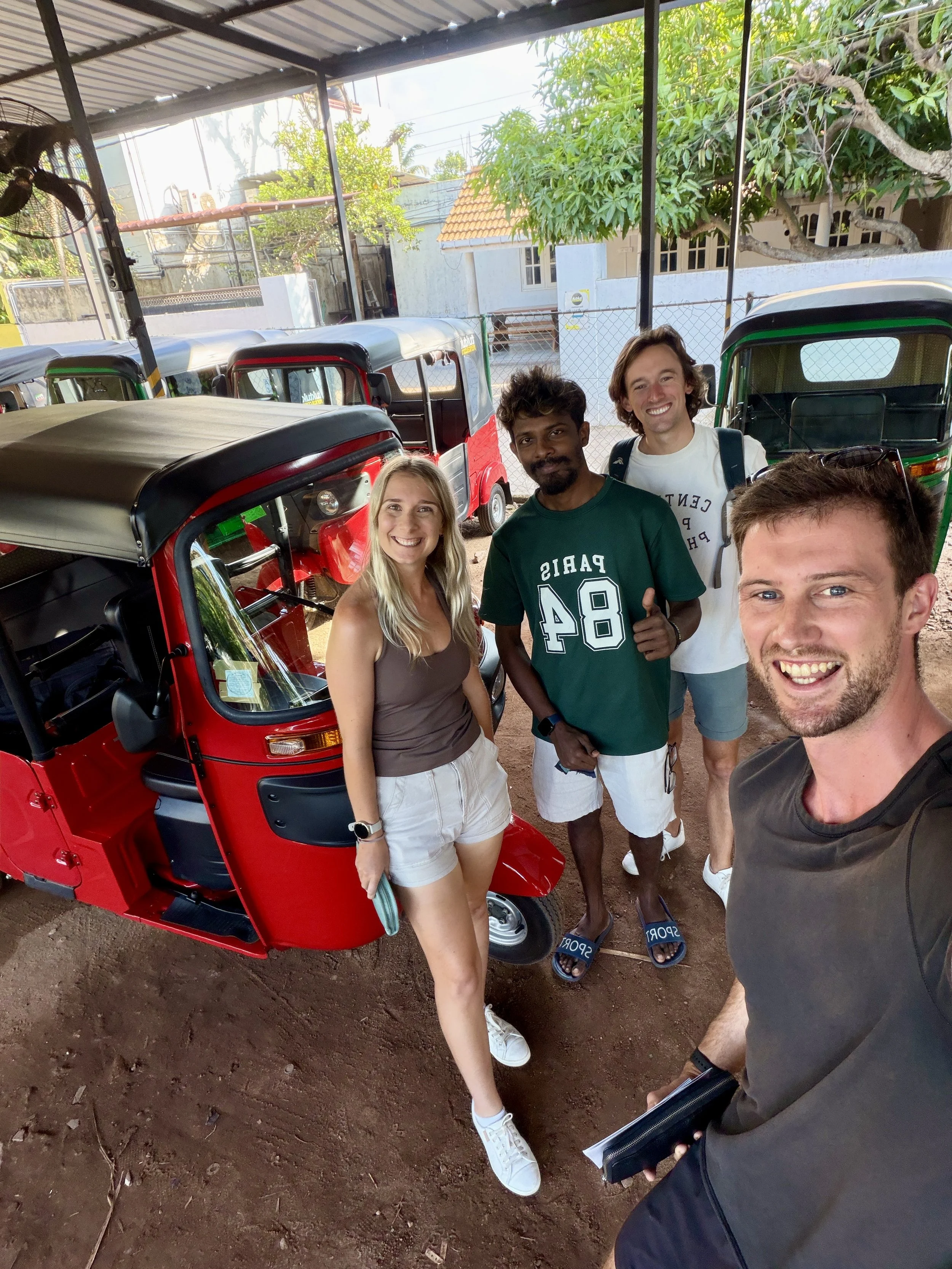
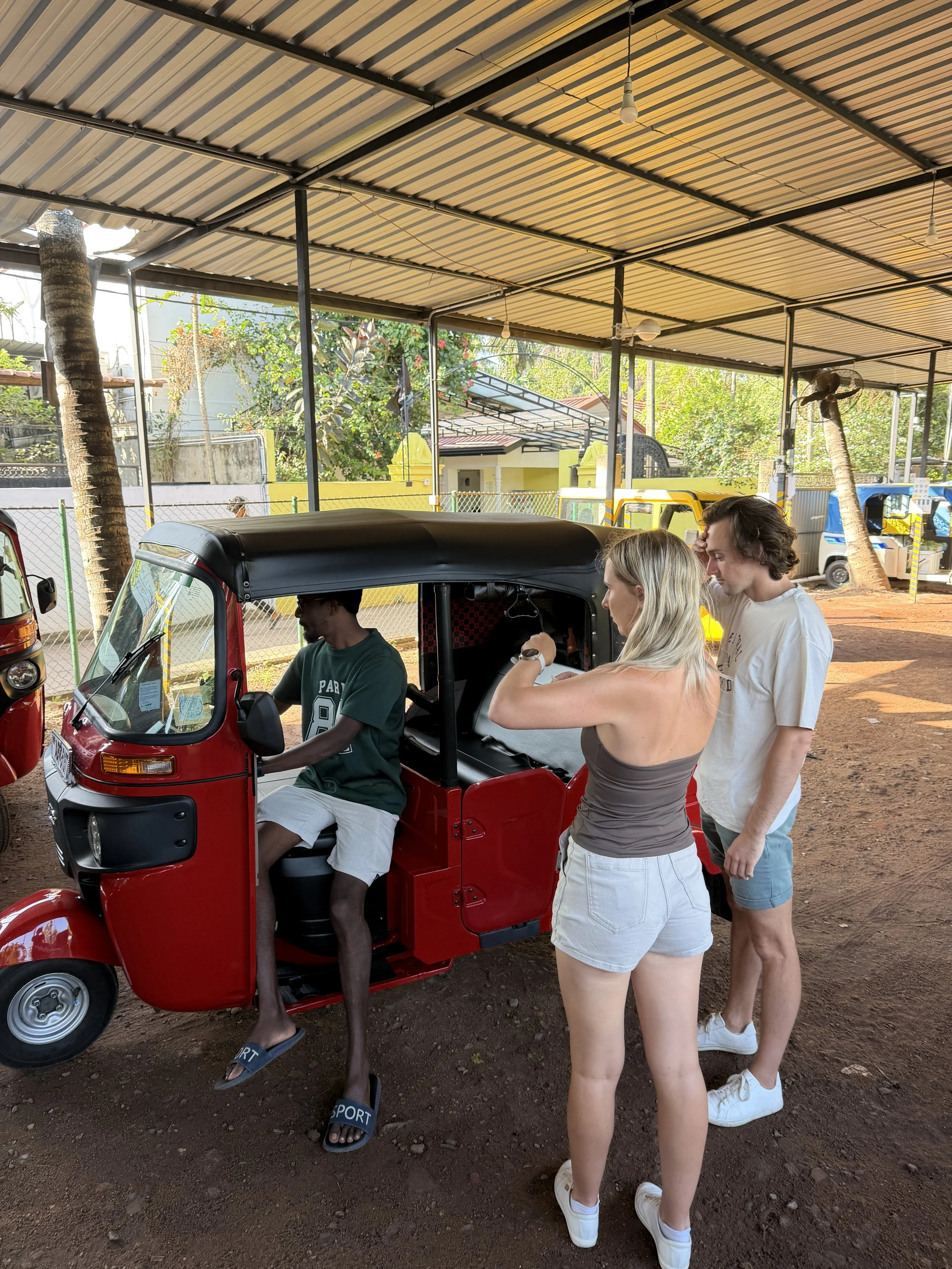
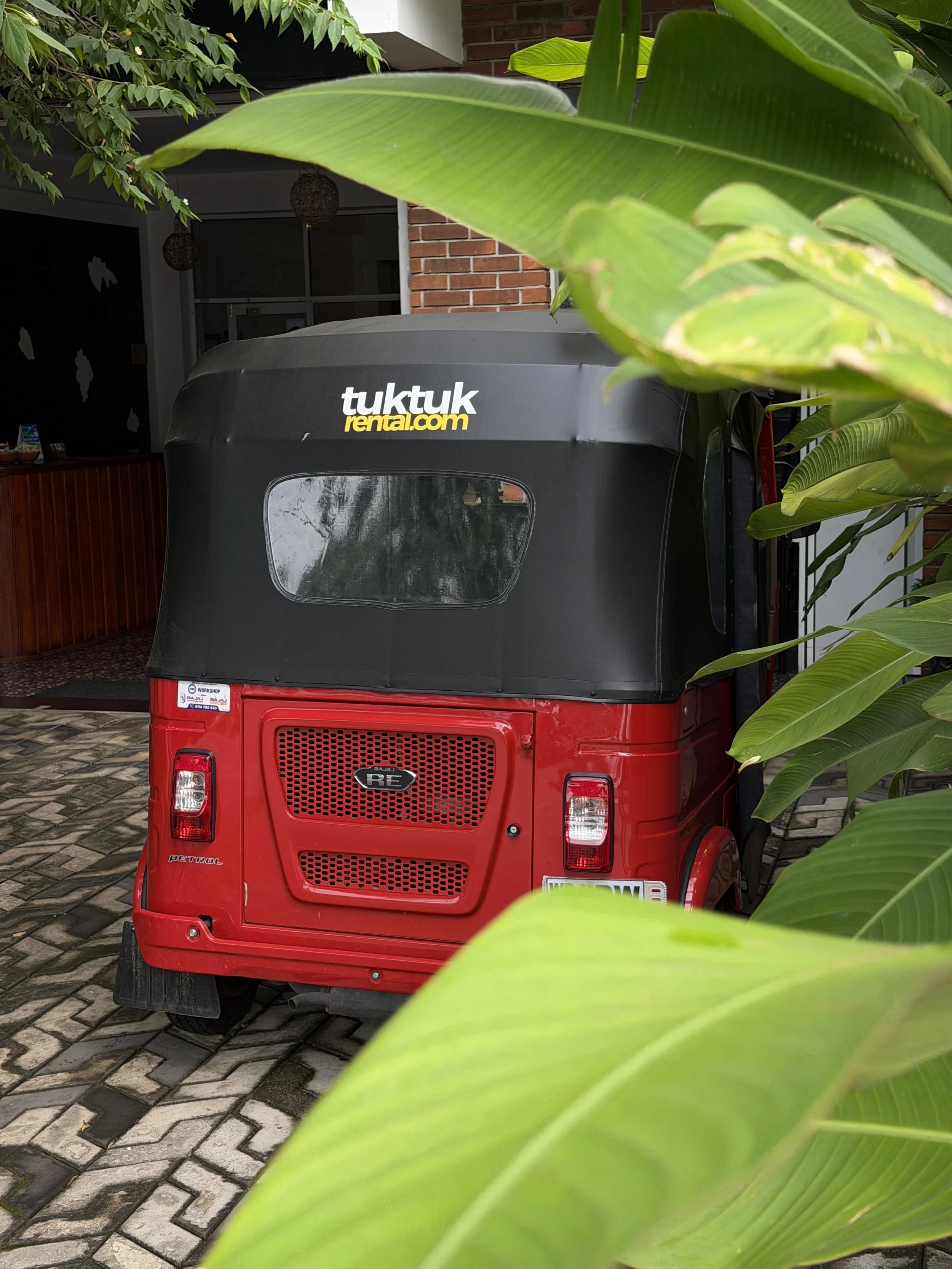
Collecting your tuk tuk
This is the moment to become familiar with your new vehicle.
It may look charmingly simple, but take time to understand:
The gears
Clutch engagement
Braking
Indicators
Lights
Fuel system
Starting procedure
Parking brake
Spare wheel or puncture arrangements
Emergency contact arrangements
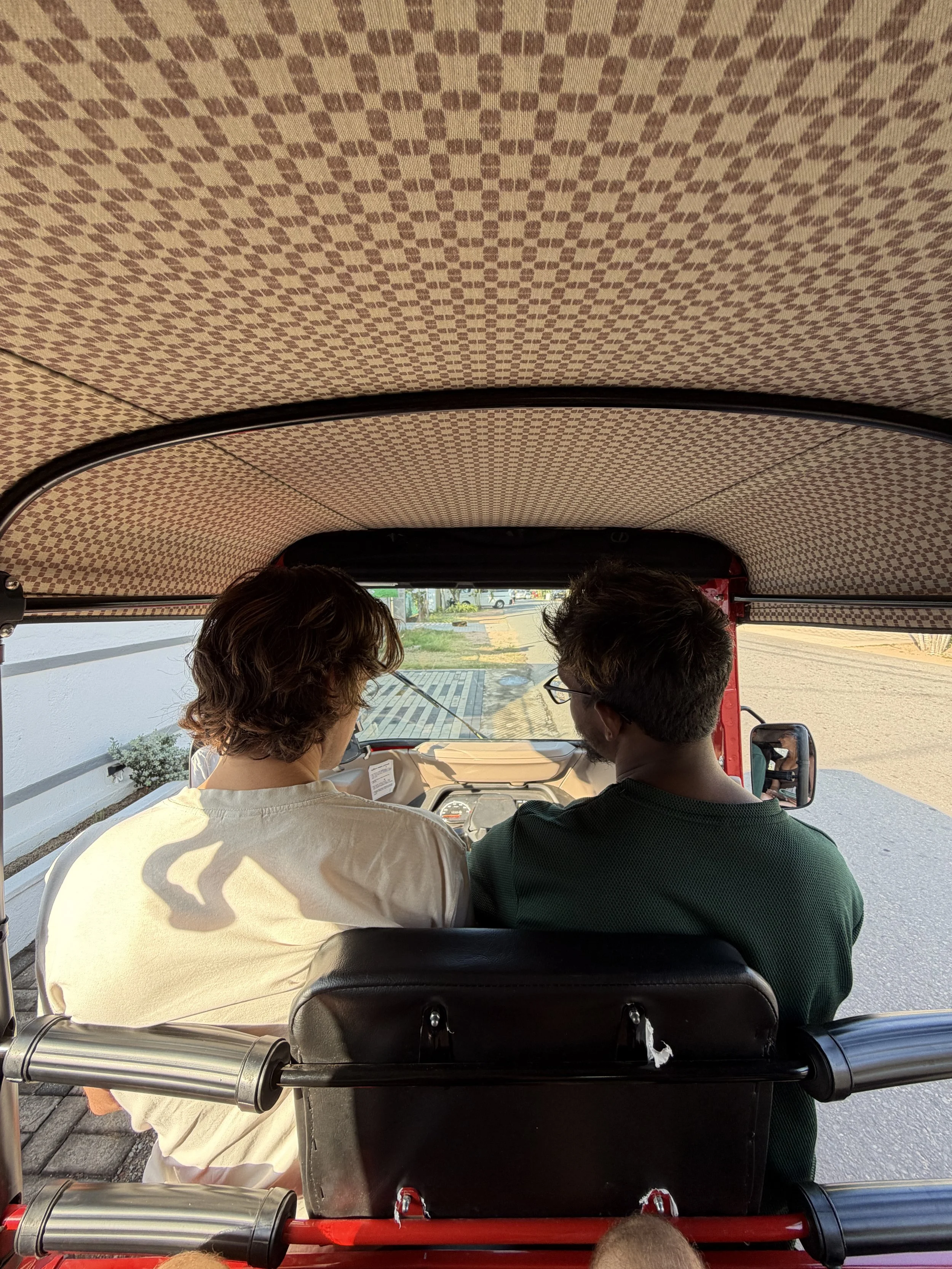
Most importantly, take the tuk tuk for a proper test drive before leaving. The team are amazing at showing you the basics.
Drive around quiet roads first.
Practice starting on hills.
Practice changing gear.
Practice reversing.
Get comfortable with the width of the vehicle.
The first few kilometres can feel strange, particularly if you have never driven a three-wheeler before. After a while, however, it becomes surprisingly intuitive and going with the flow to embrace the chaos is simple.
Having been colonised by Britain, Sri-Lanka drives on the left hand side of the road (perfect for Australians) with a few quirky road rules.
You will need to ensure you bring your international driving permit (IDP easily obtained back home) & the team will then sort out your Sri-Lankan driving permit so the moment you arrive, you’re ready to go!
Day 2: Negombo to Sigiriya
This is when the adventure really begins.
Leave Negombo early and point the tuk tuk inland towards Sigiriya.
The landscape changes gradually as you leave the busy coastal areas behind.
Traffic can initially feel chaotic. Motorbikes appear from unexpected directions, buses overtake with confidence (these are the biggest danger while driving. They WILL NOT STOP FOR YOU OR ANYONE ELSE) and intersections can seem to operate according to a system known only to local drivers.
Don't panic.
The key is to relax and observe.
Sri Lankan traffic has its own rhythm.
Rather than trying to impose your own expectations on it, watch what everyone else is doing.
Stay predictable.
Keep your speed conservative.
Give buses plenty of room.
And never assume that because you have priority, another road user has noticed you.
The joy of the roadside stop
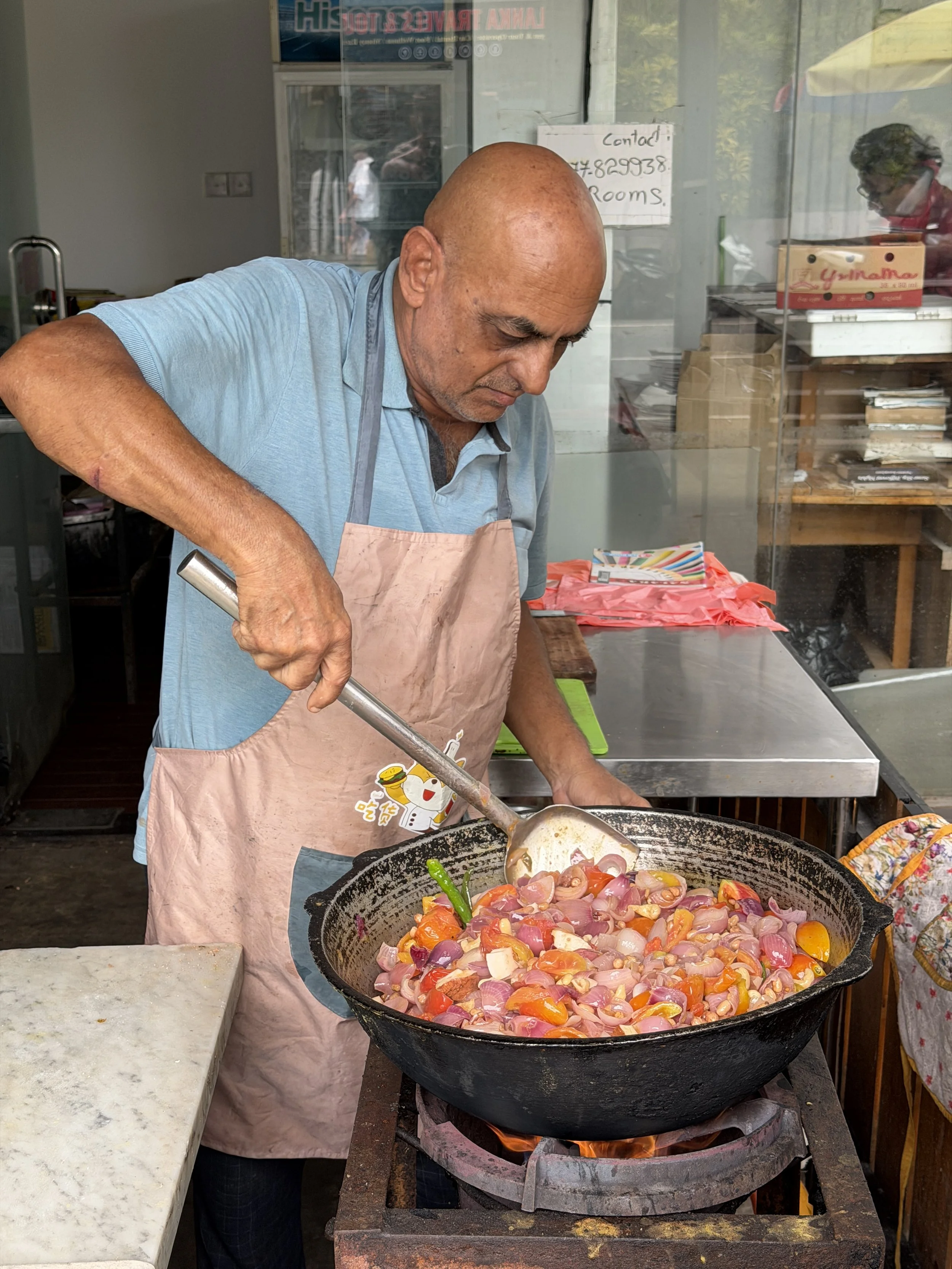
One of the great pleasures of driving a tuk tuk is being able to stop almost anywhere.
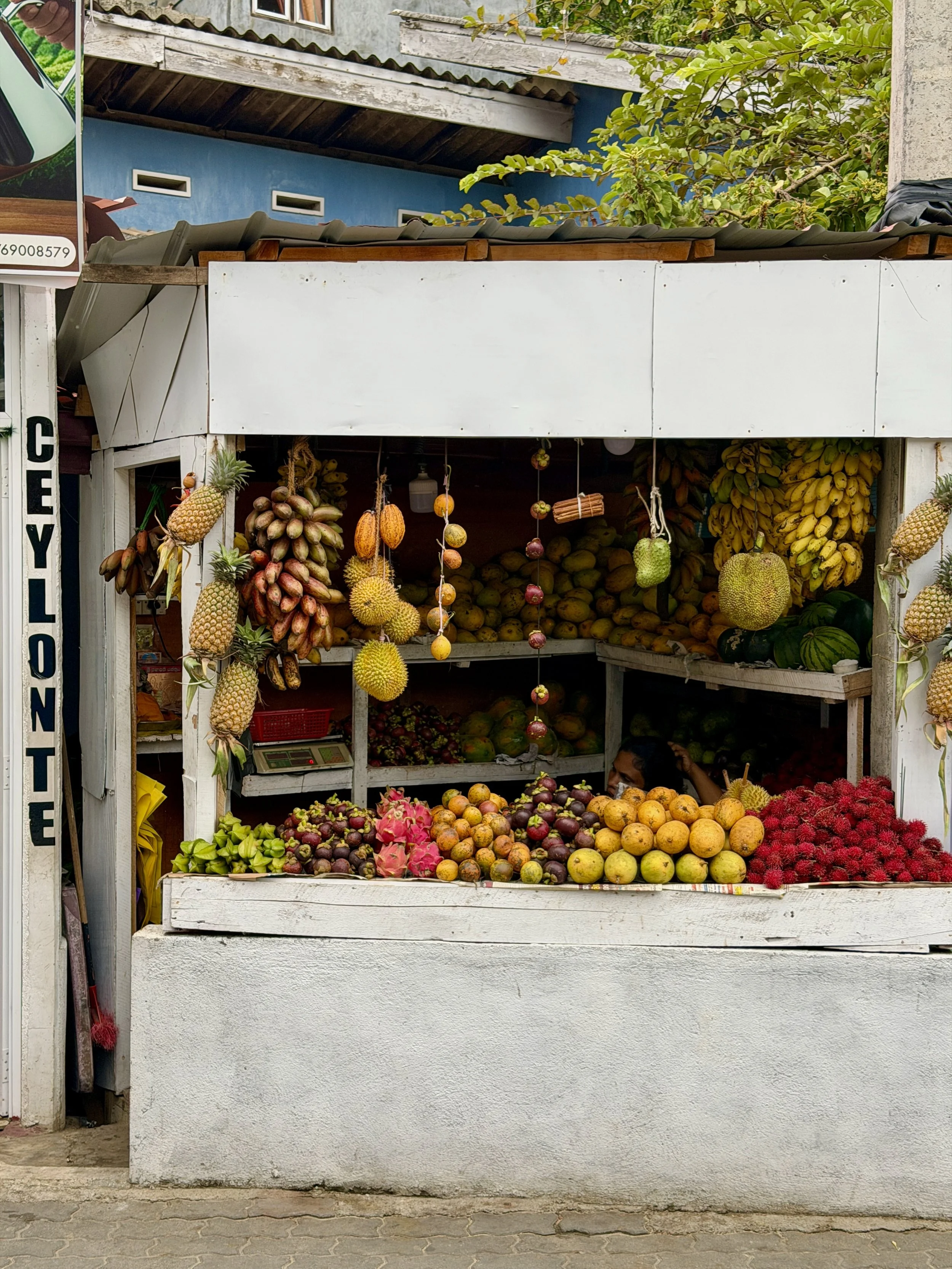
You might see a tiny roadside stall selling fresh fruit.
Stop.
You might see a group of people preparing food over a wood fire.
Stop.
You might see a beautiful view across a tea plantation.
Stop.
There is no need to plan every break.
In fact, some of the best moments of a Sri Lankan road trip happen in places you never intended to visit.
Arrive in Sigiriya in the afternoon and settle into your accommodation.
If you have the energy, watch the sunset over the surrounding countryside.
Tomorrow is one of the major highlights of the trip.
Day 3: Sigiriya to Kandy
Few places in Sri Lanka are as iconic as Sigiriya Rock.
The enormous rock fortress rises dramatically from the surrounding forest and is one of the country's essential sights.
Start early.
The climb can be hot later in the day, and arriving early makes the experience considerably more pleasant.
Take your time.
The archaeological site is much more than the final climb. The gardens, pathways, water features and ancient remains tell the story of a remarkable historic settlement.
Once you reach the top, look out across the forest.
This is one of those moments when you realise just how small your tuk tuk is going to look when you return to it.
Explore beyond Sigiriya
If you have time, use the tuk tuk to explore some of the surrounding Cultural Triangle.
The region contains an extraordinary concentration of historic sites, temples and ancient cities.
You don't need to see every archaeological attraction.
Pick one or two that genuinely interest you.
The point of a two-week road trip is not to turn every day into a race.
Return to Sigiriya for another evening and enjoy a relaxed dinner.
Day 4: Kandy to Nuwara Eliya
Today the road begins to climb towards central Sri Lanka.
The journey from Sigiriya to Kandy takes you through increasingly green scenery, with villages, farmland and forest replacing the flatter landscapes around the Cultural Triangle.
Kandy is busy.
Very busy.
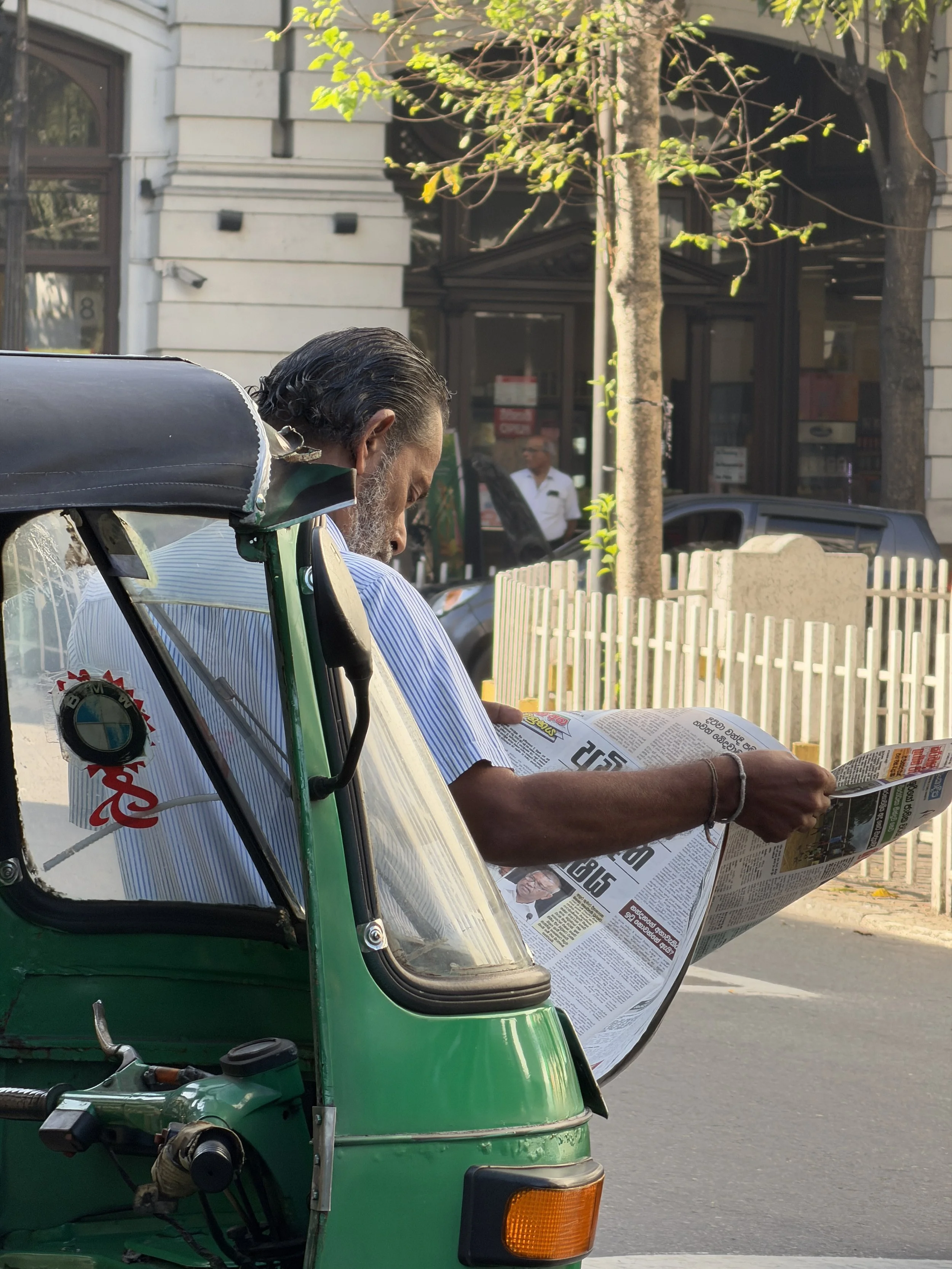
And this is where you begin to appreciate the advantages — and disadvantages — of a tuk tuk.
The advantage is obvious: it is small.
The disadvantage is that you are still driving it.
Traffic around Kandy can be challenging, particularly for someone who has only recently learned to drive a tuk tuk. The parking can be very few and far between, often double or triple parked in to maximise space.
There are no parking metres but instead generally someone that you pay when you return to the vehicle.
Take your time.
Don't let impatient drivers push you into making decisions you are uncomfortable with.
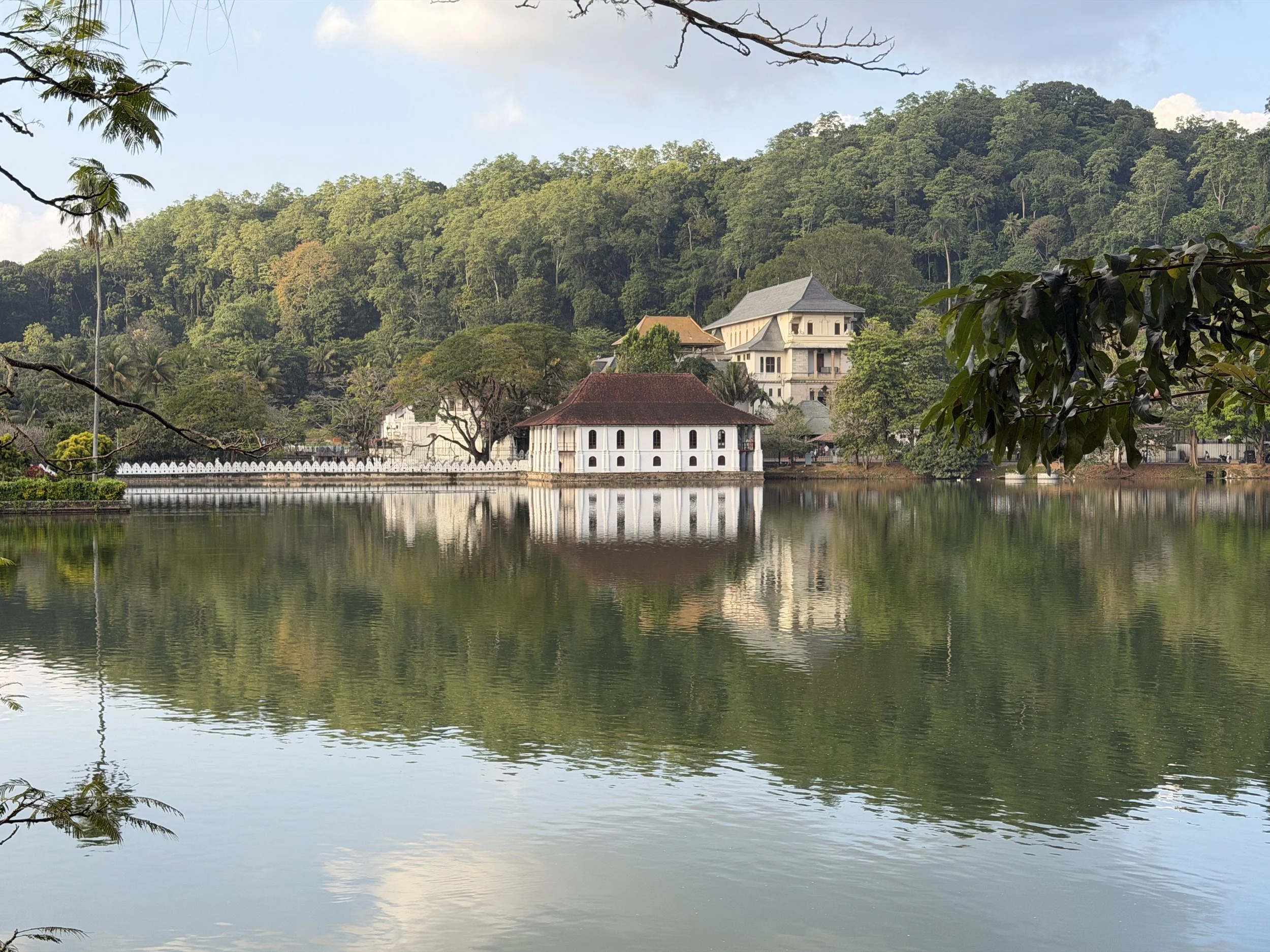
Once parked, explore Kandy on foot.
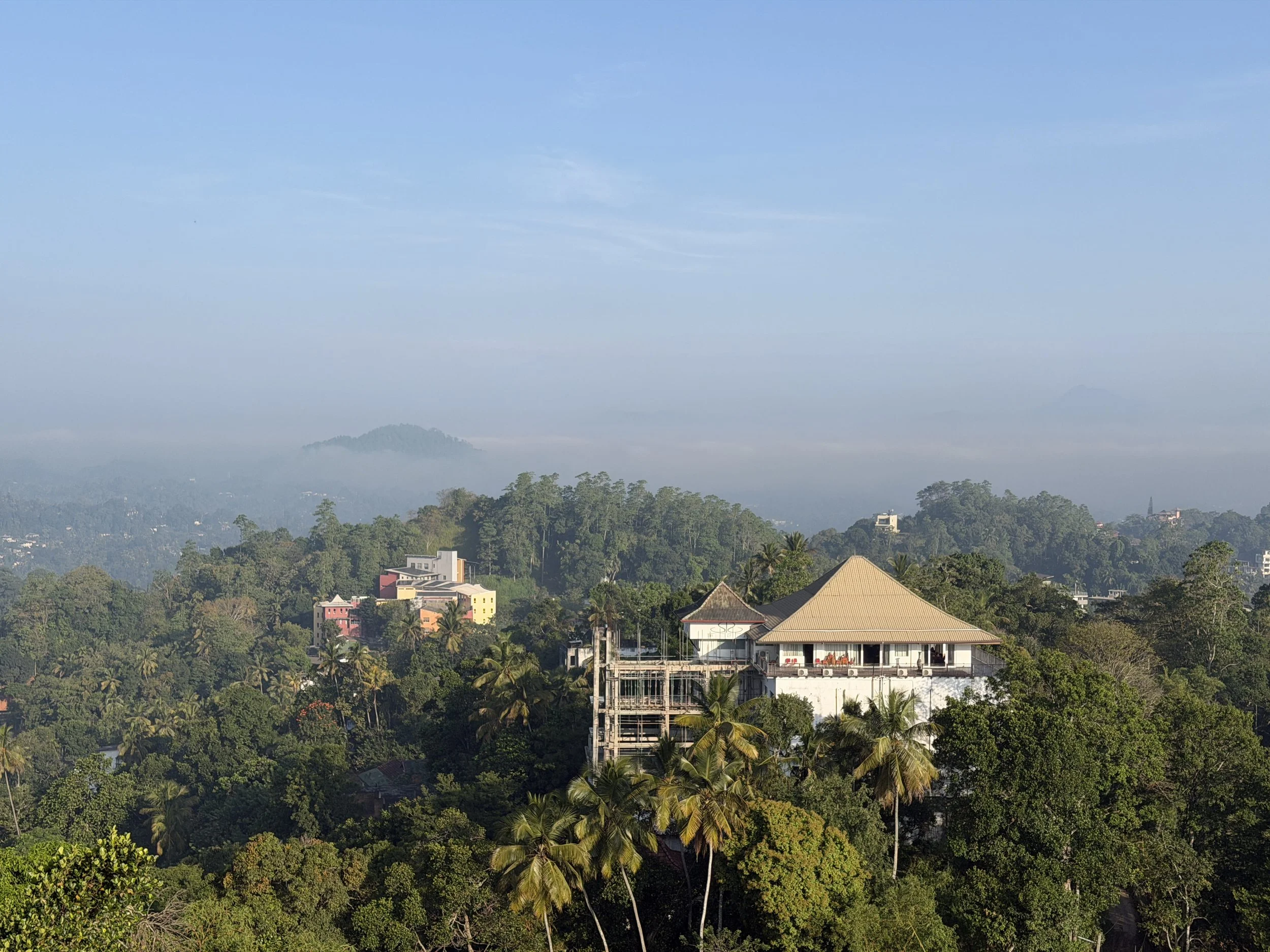
Sri Maha Bodhi Viharaya is the perfect place to start a day and watch sunrise over the valley with a HUGE budda statue sitting behind you.
Remember that temples are places of worship, not simply tourist attractions. Dress respectfully and follow local instructions.
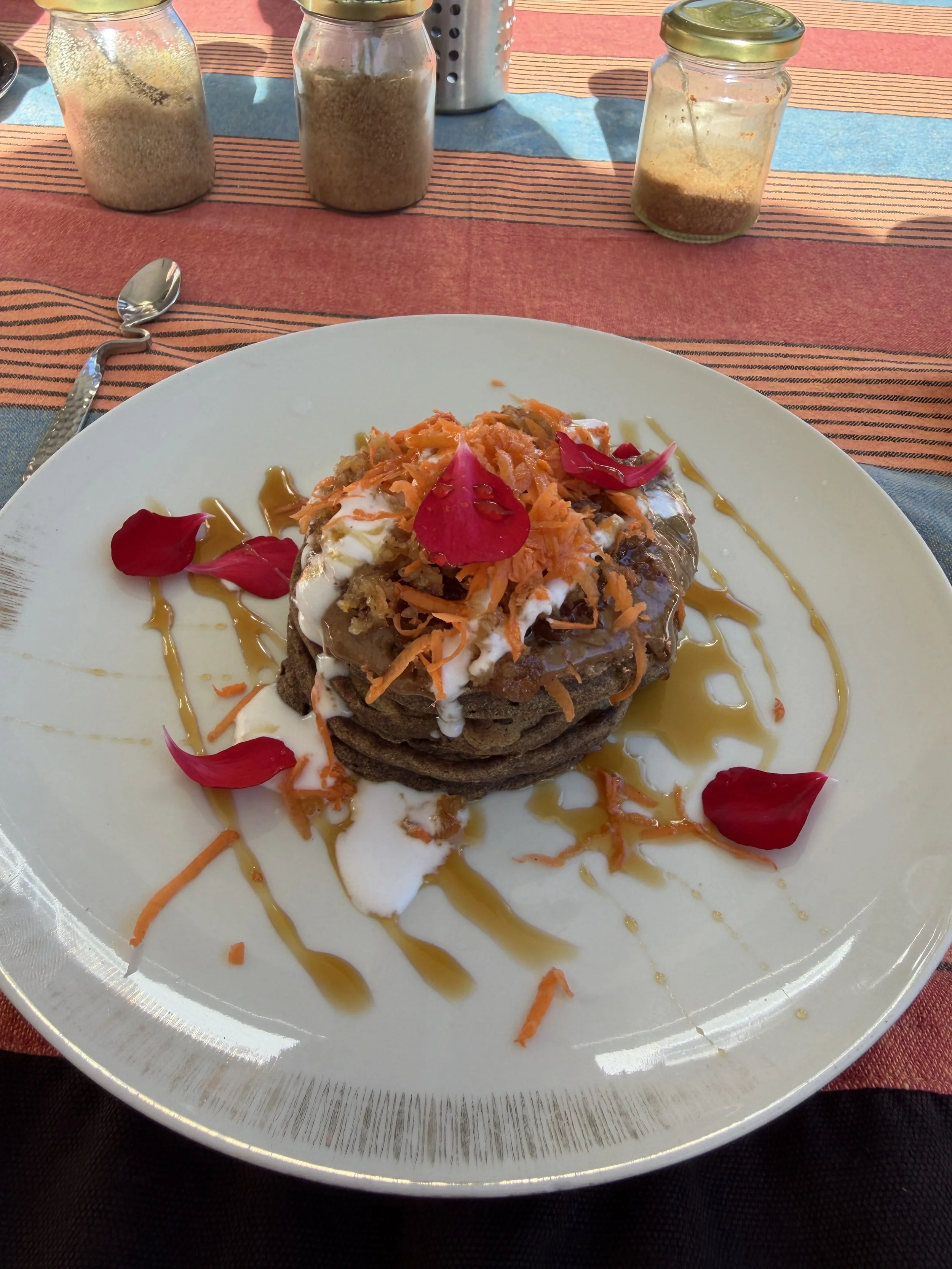
Day 5: Nuwara Eliya & Tea Plantations
This is one of the great driving days of the trip.
The road from Kandy into the hill country winds through increasingly dramatic scenery.
The temperature drops.
The air becomes cooler.
The vegetation changes.
The gears of the TukTuk crunch while the motor struggles on the way up.
And then suddenly you are surrounded by tea plantations.
Sri Lanka's famous tea country is spectacular from a tuk tuk because you're moving slowly enough to appreciate it.
Pull over at viewpoints.
Visit a tea factory (our favourite was actually in Ella but an abundance on this stretch if the weather is better than what we had)
Stop for a cup of tea.
Watch workers moving through the plantations.
And don't worry about reaching Nuwara Eliya as quickly as possible.
The journey is the attraction.
Driving in the mountains
This is also where you need to be more cautious.
Mountain roads mean:
Steep gradients
Tight bends
Slow vehicles (you’re now one of them!)
Buses
Occasional poor visibility
Rain
Pedestrians
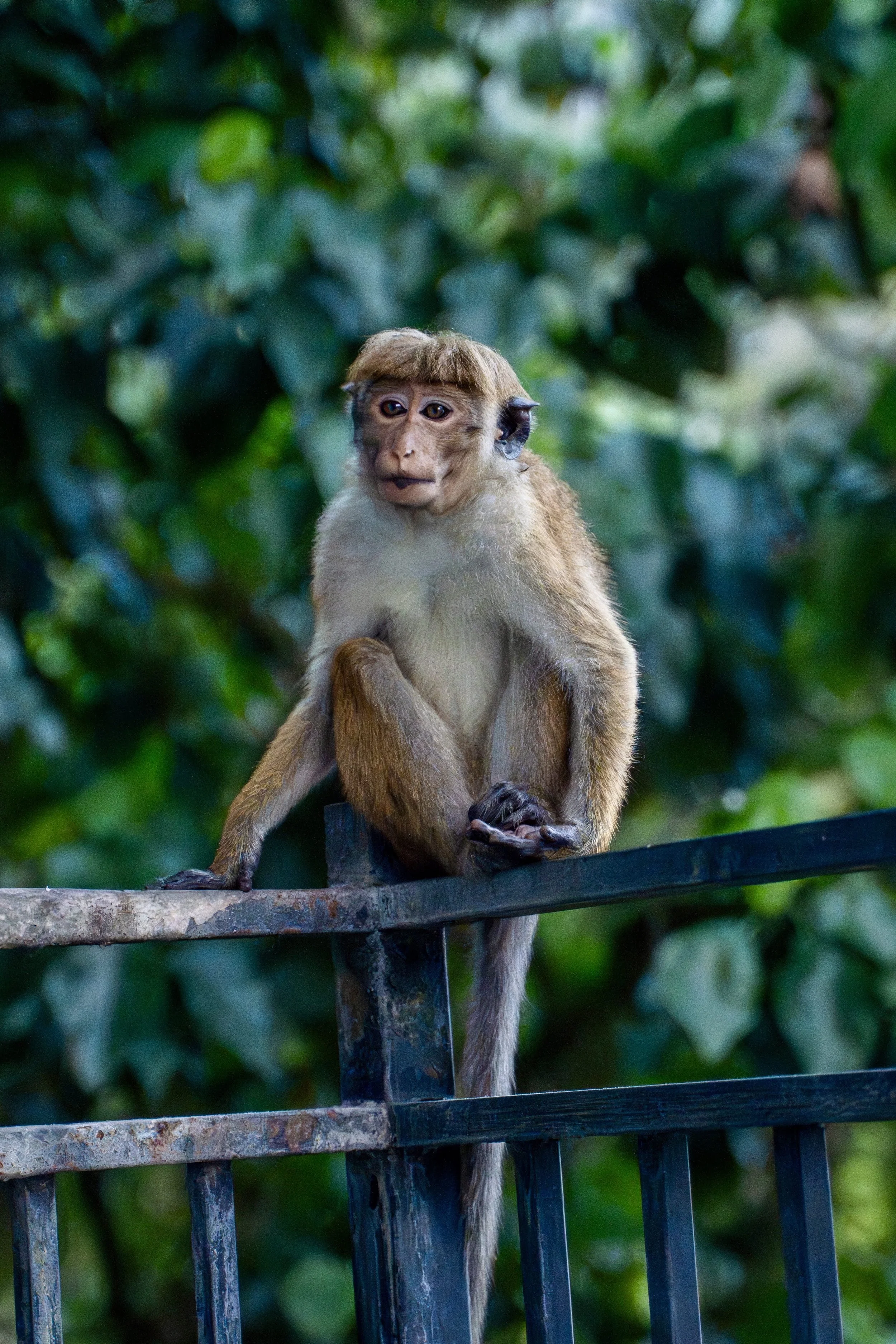
Animals (monkeys are always around - never leave any food or valuables in your TukTuk)
Use low gears on descents rather than relying entirely on the brakes.
Take corners slowly. There’s only 3 twelve inch wheels between you & the ground.
Don't try to keep up with local drivers.
And remember that the tuk tuk's small engine means that steep climbs can take time.
That is perfectly normal.
Nuwara Eliya feels almost completely different from the tropical coastline.
The architecture, climate and landscape reflect its colonial history and high elevation.
Spend your time here exploring rather than driving a long distance.
Visit a tea estate.
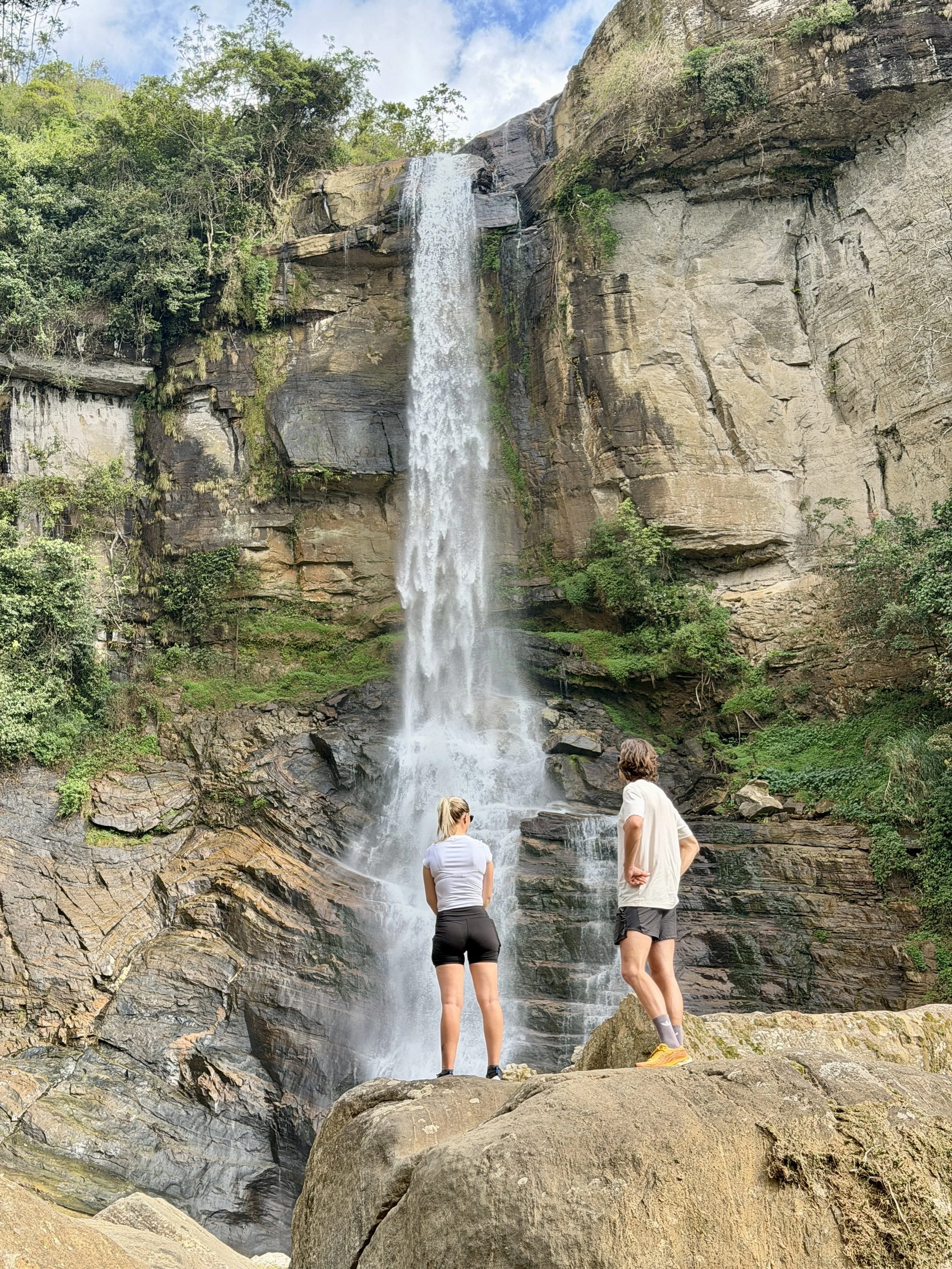
Walk around the town. Hike up to Lovers leap waterfall for the best views.
Have lunch somewhere overlooking the hills.
Then take your tuk tuk along some of the smaller roads surrounding the plantations.
This is a day when having your own transport really pays off.
Stop for photos.
Talk to locals.
Find a tiny café. Ayurveda Coffee shop was our absolute favourite with such a nice owner and beautiful food!
And, of course, drink tea.
Lots of tea.
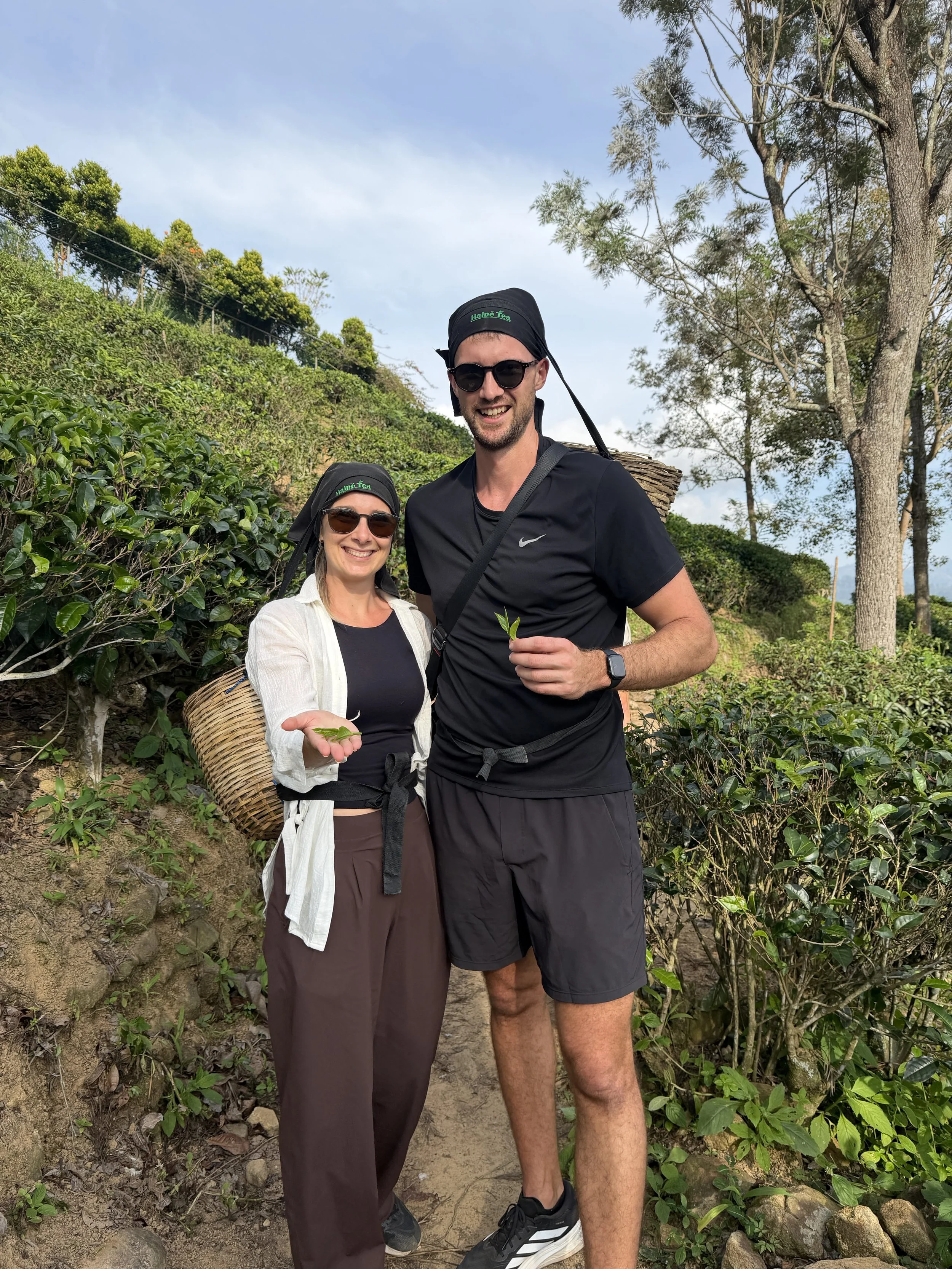
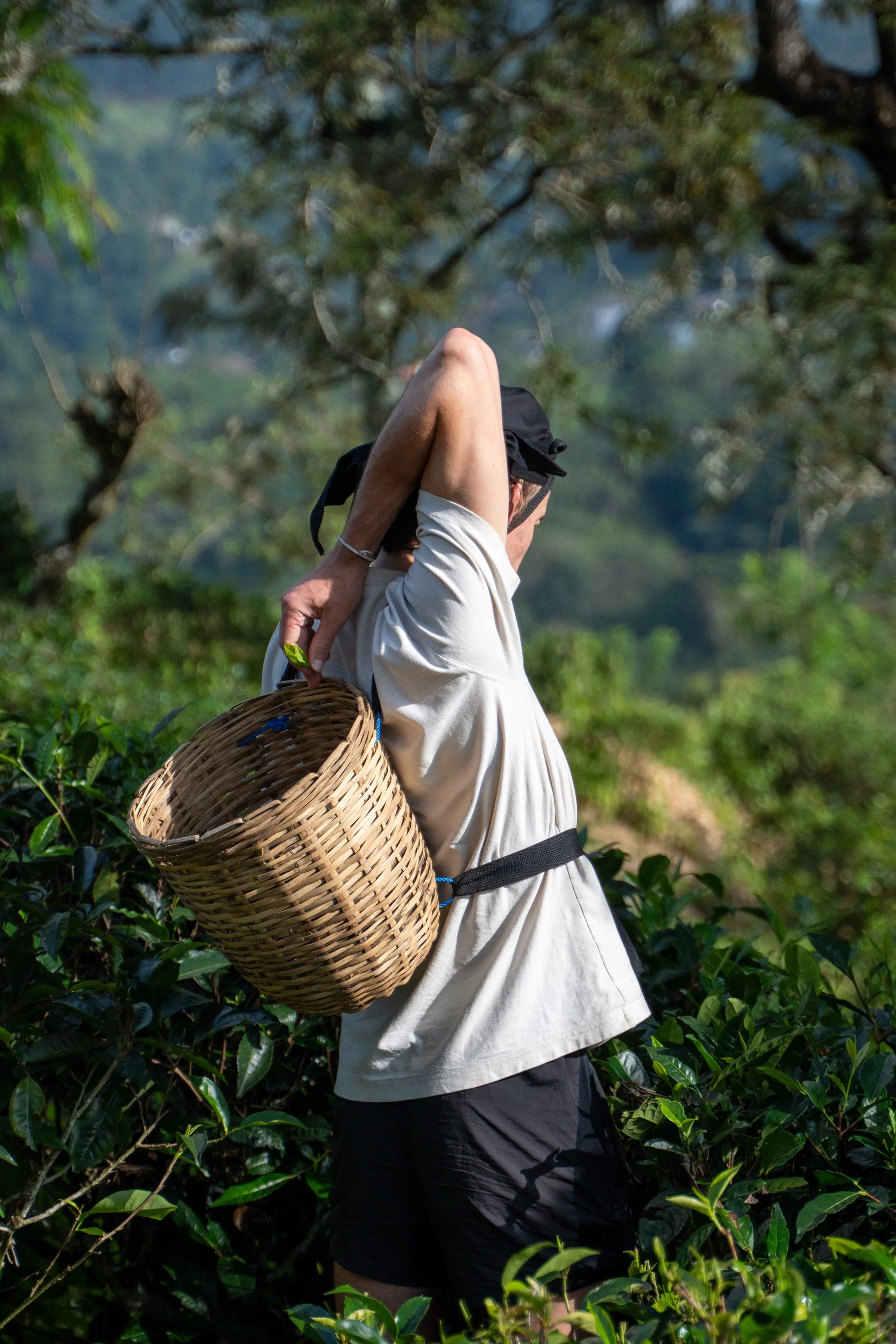
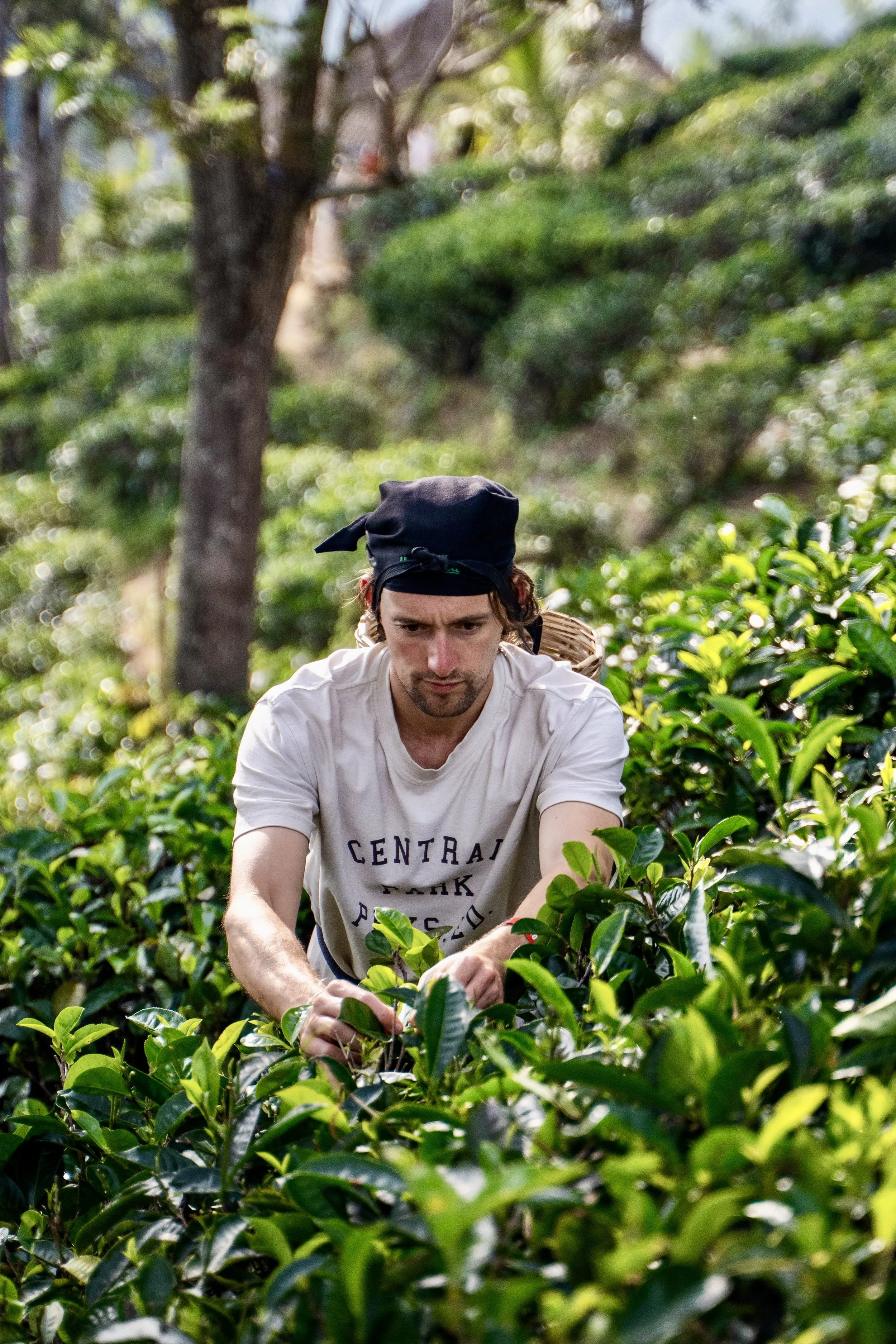
Heading for Ella - This may be the most memorable driving day of the entire trip.
The journey from Nuwara Eliya towards Ella takes you through some of Sri Lanka's most spectacular mountain scenery.
There are waterfalls, tea plantations, forests and enormous views across the valleys.
At times, the road seems to disappear into the landscape.
Take your time.
This is not a day for checking your arrival time every 20 minutes.
Day 6: Ella
After several days of driving, you deserve a slower day.
Ella is surrounded by mountains and is an excellent base for walking and exploring.
The best things to do in Ella:
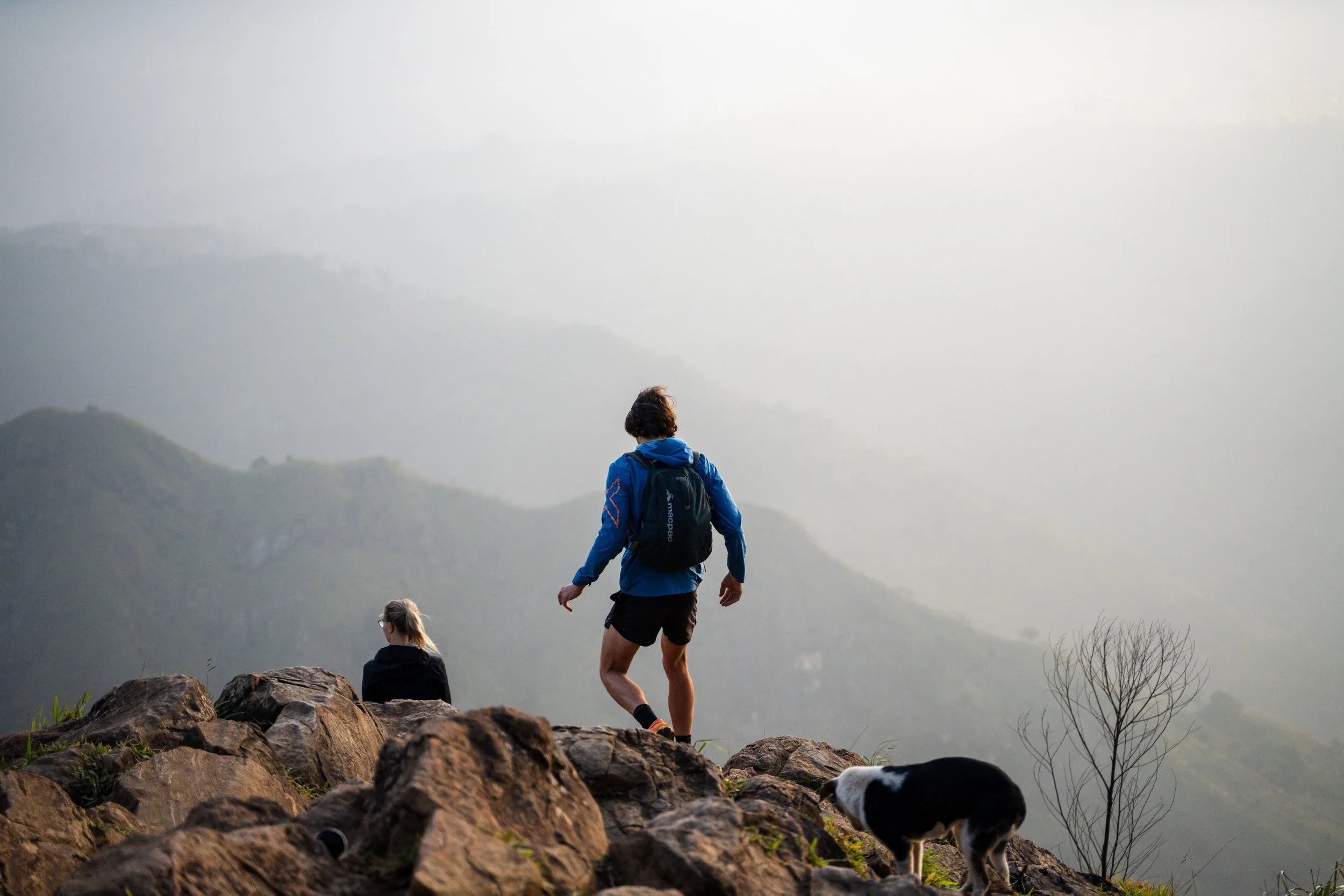
Little Adam's Peak
Ella Rock (best for sunrise)
Nine Arches Bridge
Tea plantations
Waterfalls
Viewpoints
Matey Hut for the best food (gets super busy so get in early)
Start early for walks.
The sun can become surprisingly strong, even in the mountains.
One of the pleasures of Ella is simply sitting somewhere with a view and watching the clouds move through the valleys.
Don't schedule every hour.
You have come all this way in a three-wheeled vehicle.
You are allowed to slow down.
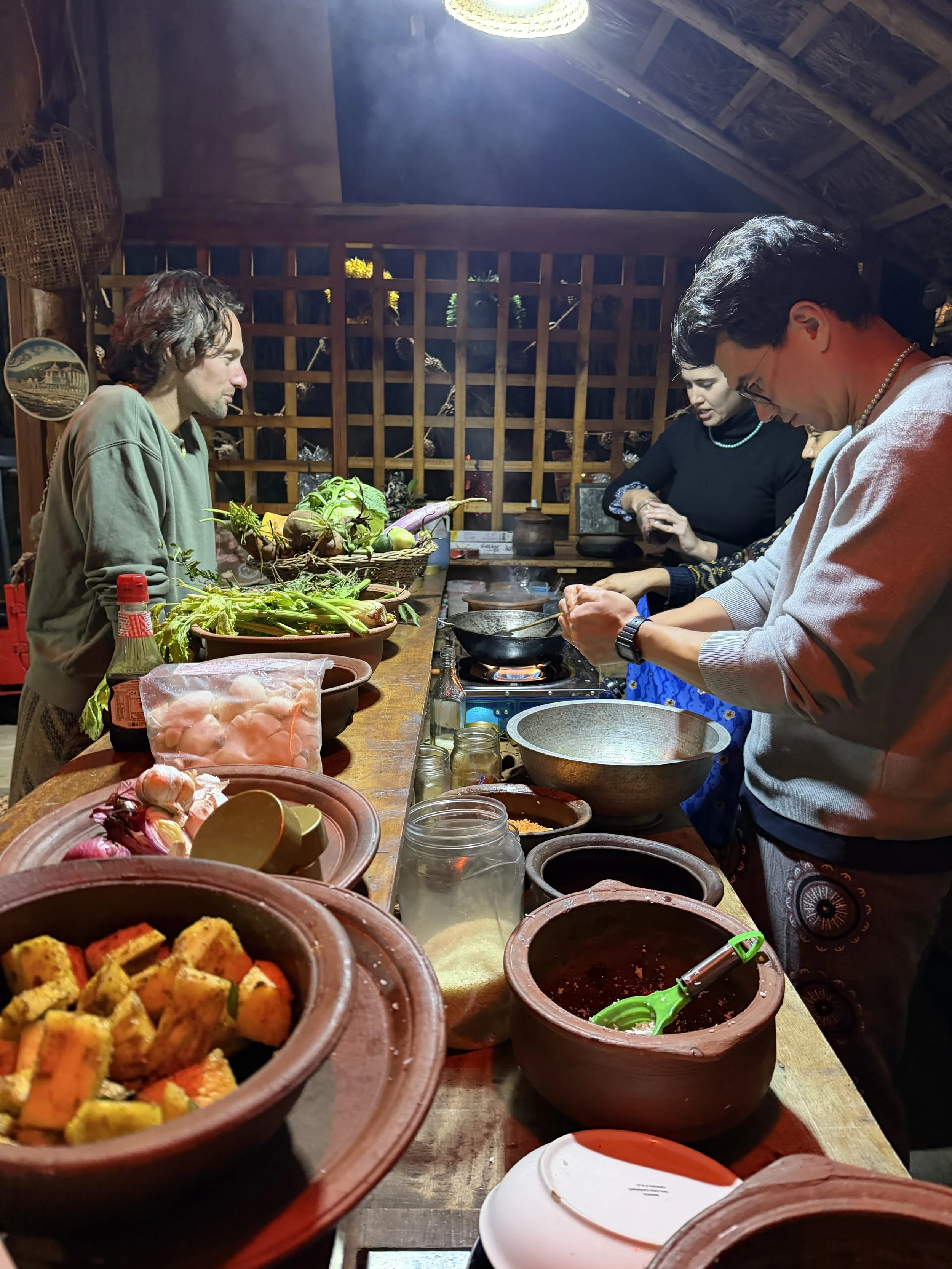
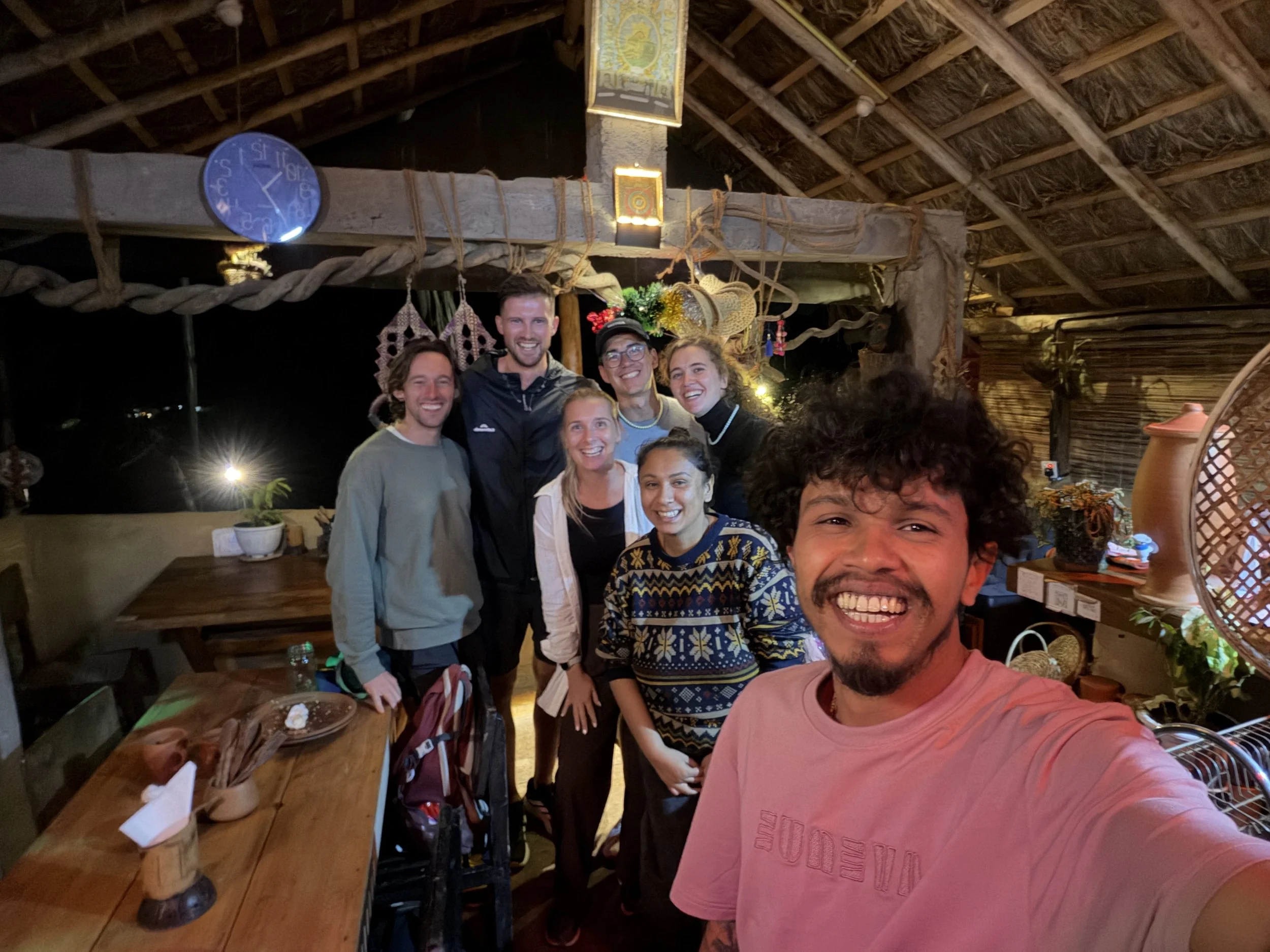
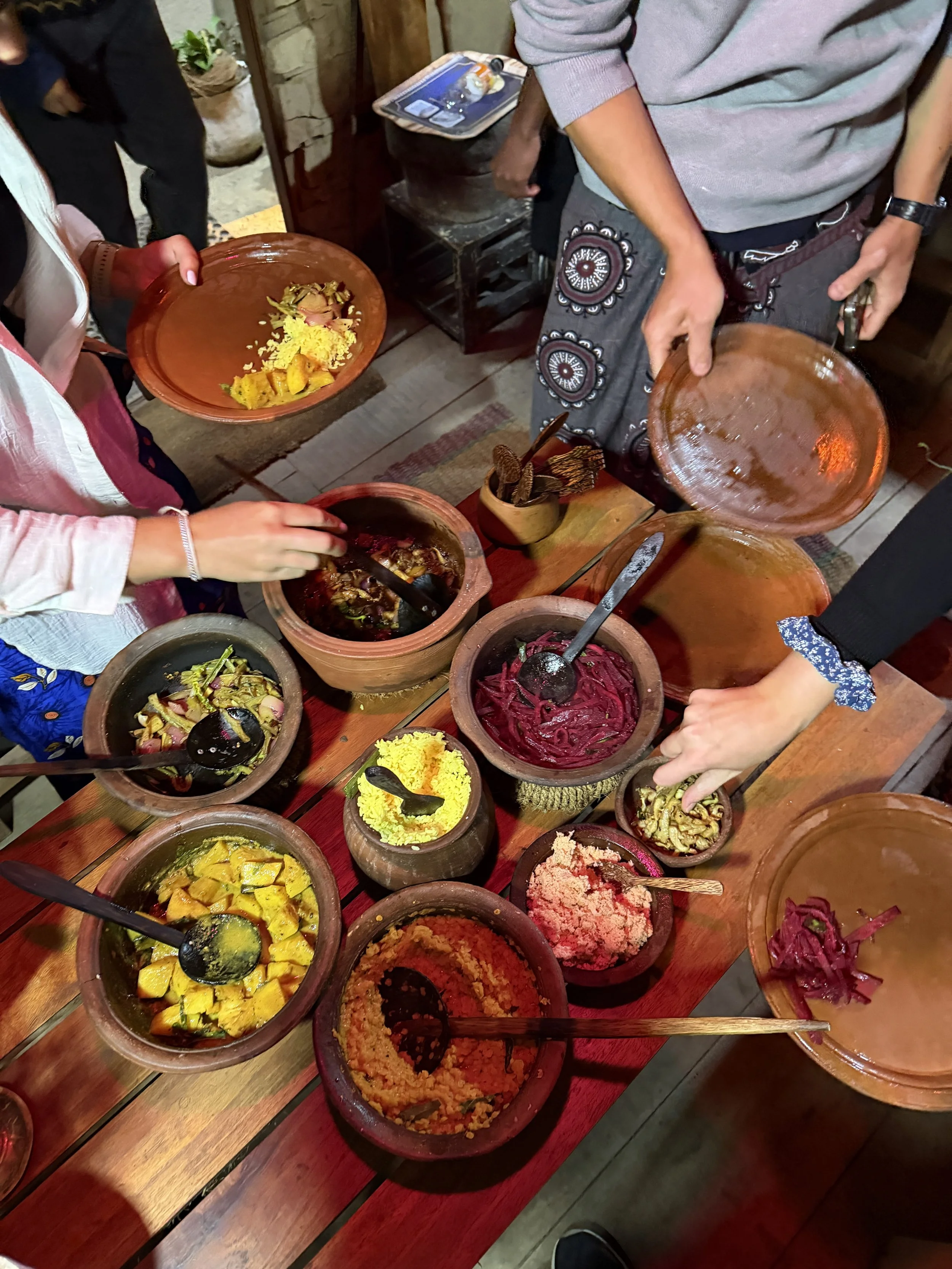
My biggest tip for visiting Ella - pay a stop into “Pottery House Cafe” just outside the town centre. This is the most local experience you could get, learning to cook with a local family who put their heart on the line with every single recipe.
What about the famous train?
The train journey between Kandy and Ella is famous for good reason.
The scenery is extraordinary.
If experiencing the train is high on your list, you have a few options.
You can leave the tuk tuk behind for part of the journey and take the train, you can simply enjoy the road journey instead or the TukTuk Rentals team will have someone drive it to the other ends for a small cost while you jump onboard.
There is no rule saying you have to experience Sri Lanka in exactly the same way as every other traveller.
The tuk tuk gives you something the train doesn't:
complete freedom to stop.
Day 7: Yala National Park
Today you leave the mountains behind.
The road descends towards Sri Lanka's southern lowlands and the climate gradually becomes warmer.
This is a completely different landscape again.
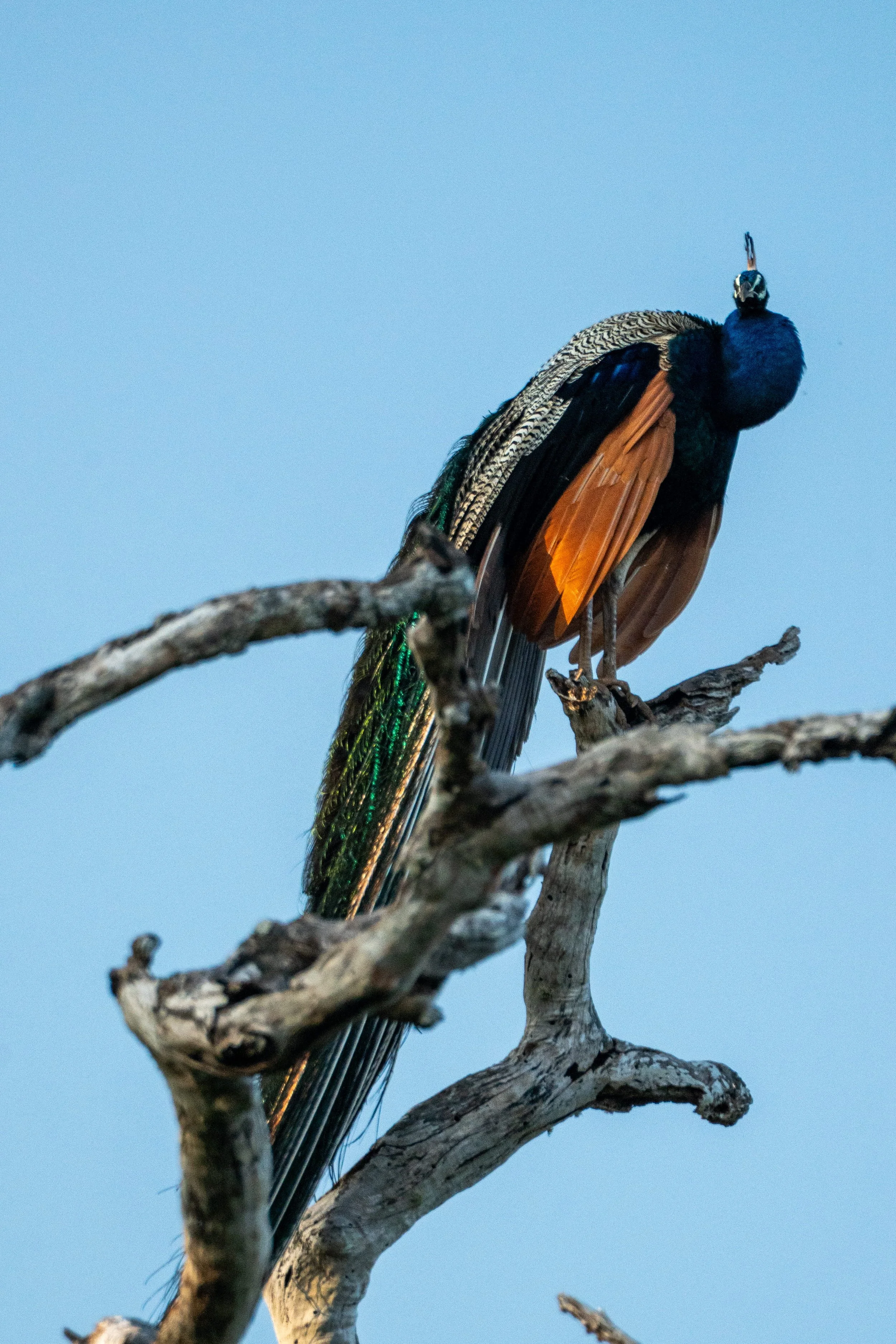
Yala is famous for its wildlife, particularly elephants & the rare leopard.
The area around the national park offers plenty of opportunities to experience Sri Lanka's countryside.
If you plan to take a safari, book through a reputable operator and follow the park's wildlife guidelines.
Seeing a leopard in the wild is one of those experiences that photographs rarely capture properly.
It is unforgettable.

Days 8 & 9: Hiriketiya
After your wildlife adventure, point the tuk tuk towards the coast.
The landscape changes once again.
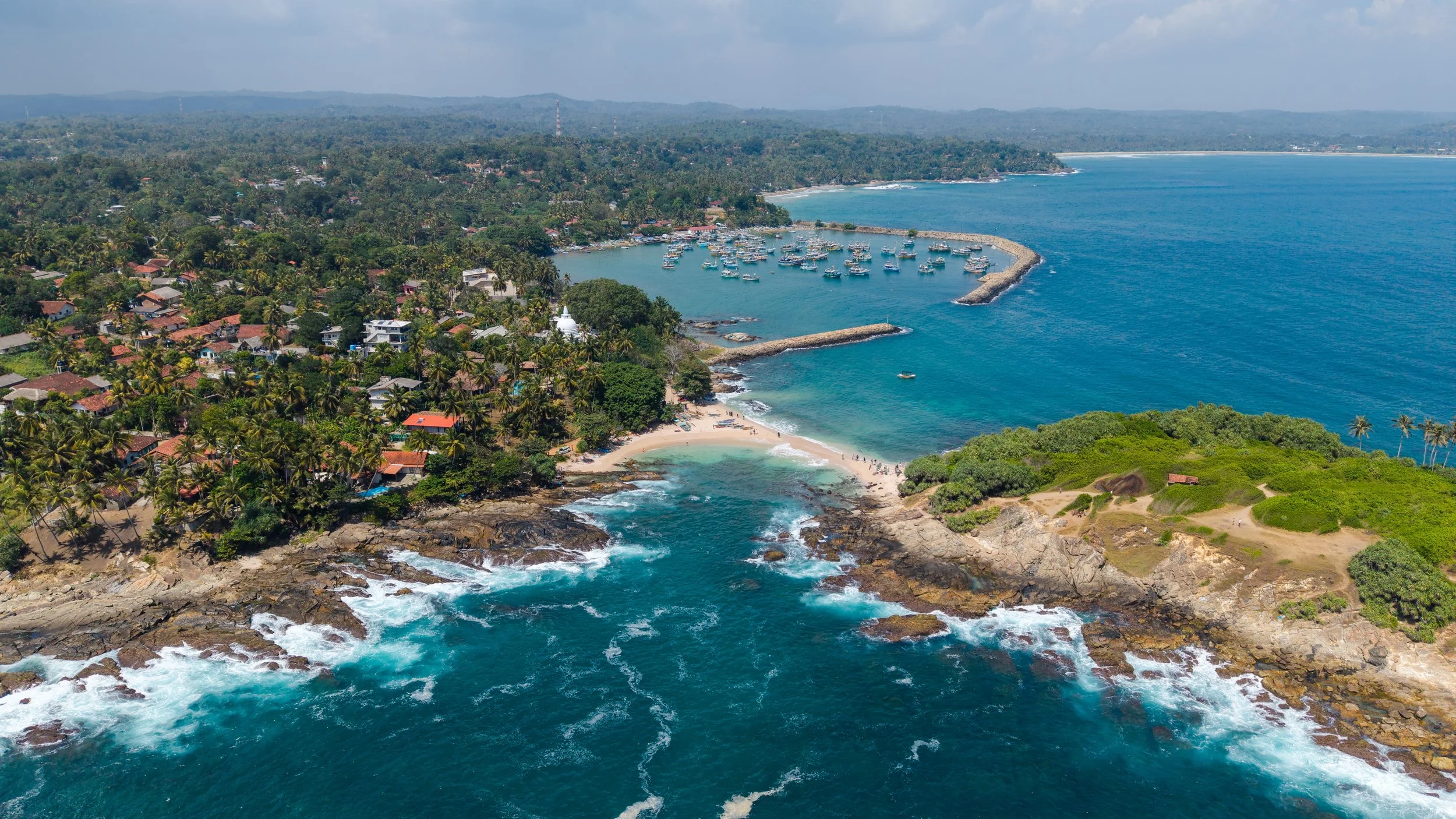
You will eventually begin seeing coconut palms, beach resorts and the unmistakable atmosphere of Sri Lanka's southern coastline.
This is where the trip starts to feel like a holiday within the holiday.
After a week of roads, mountains and sightseeing, the beach is calling.
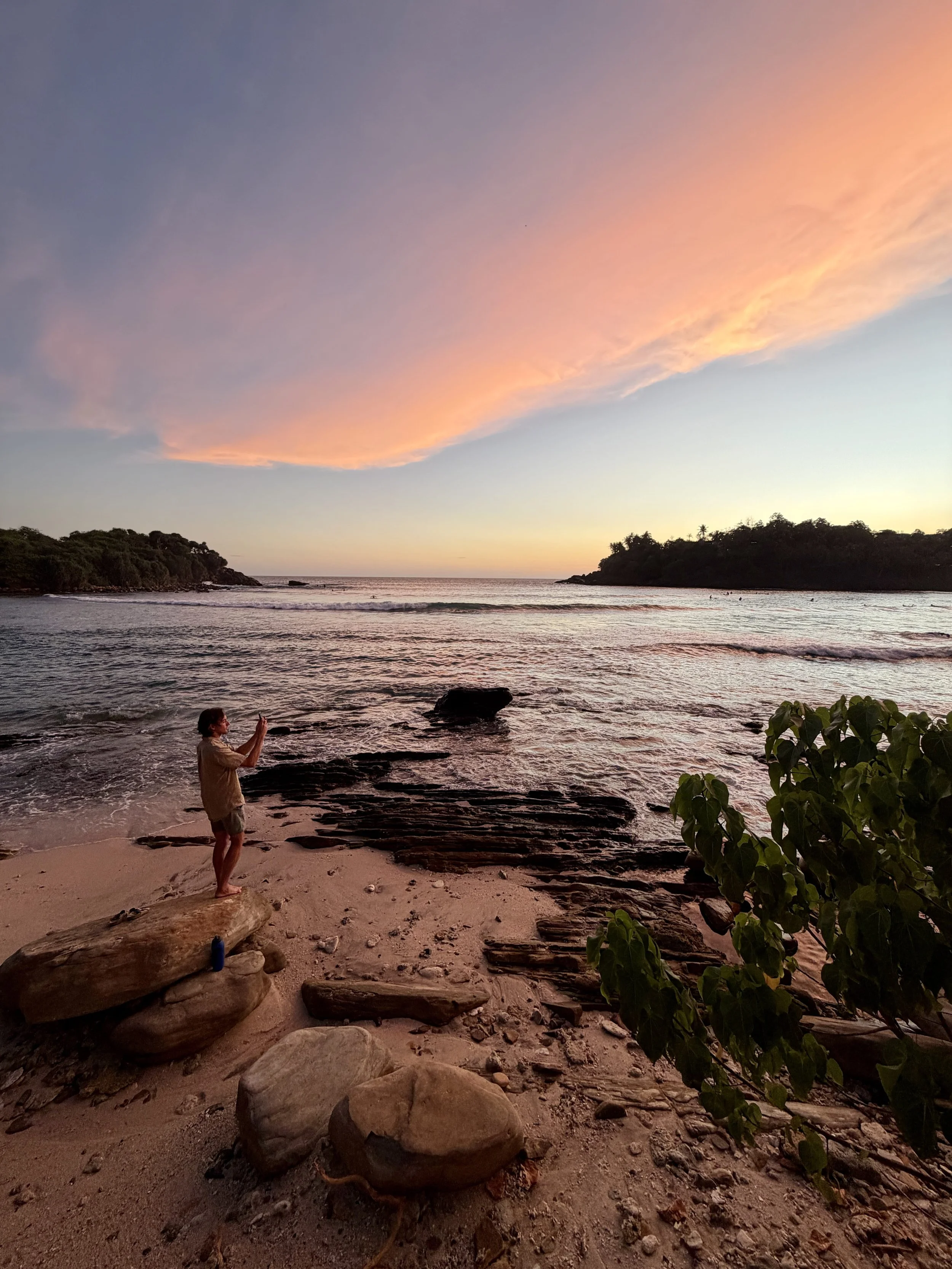
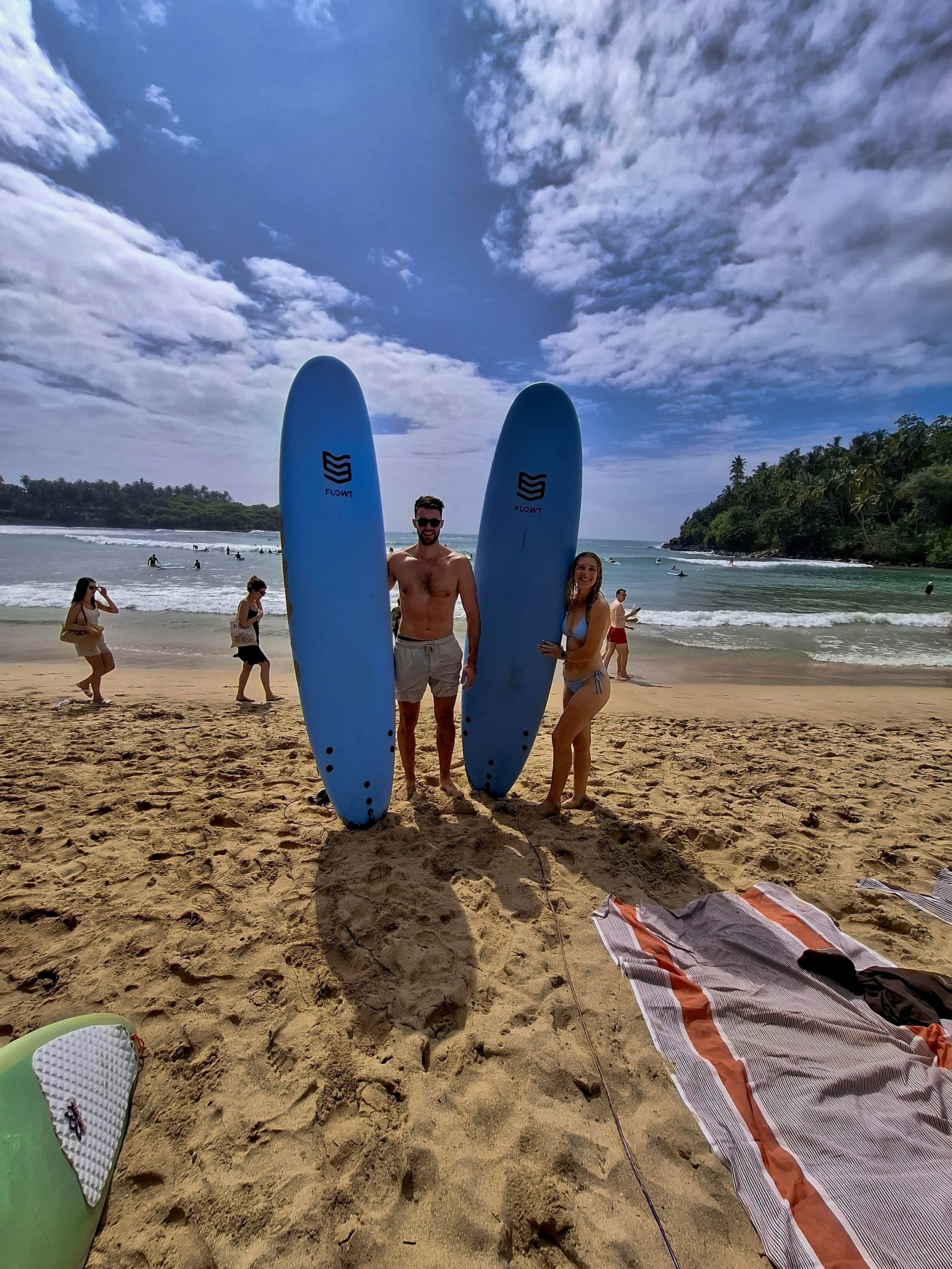
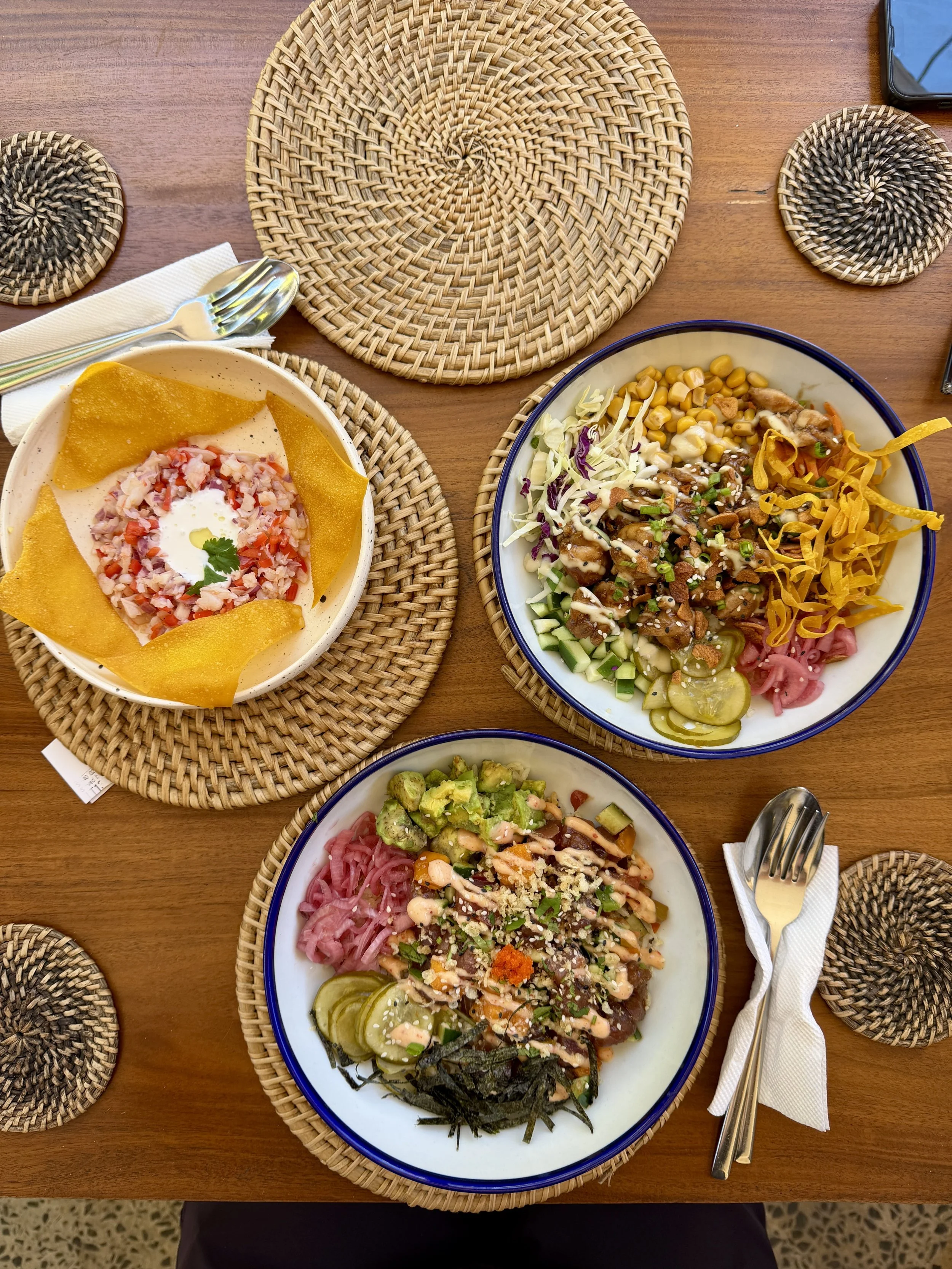
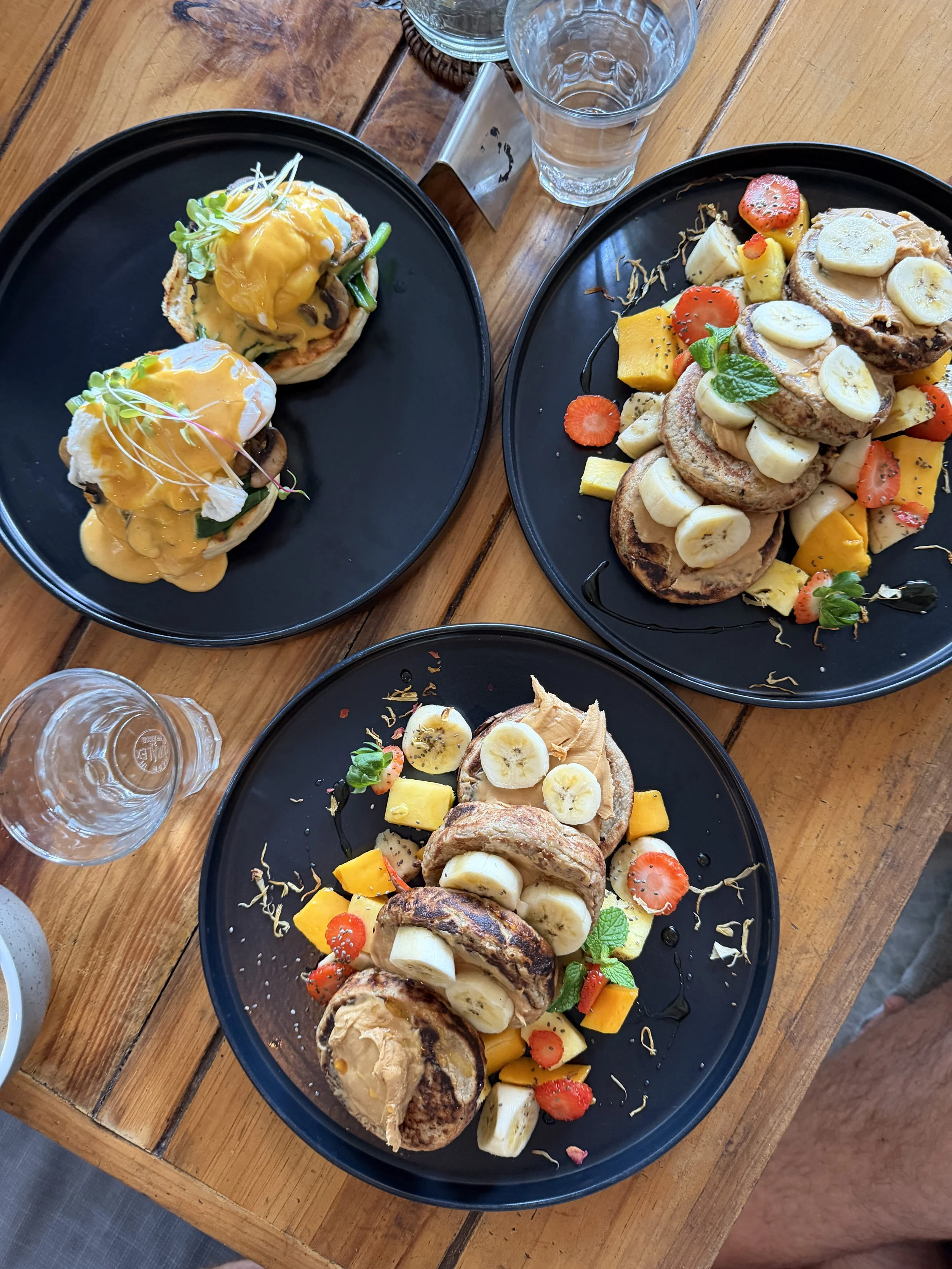
Hiriketiya is what Bali was 20 years ago, pristine beaches, great food & coffee in small little beach shacks with reliable small surf - perfect for lessons and beginners or long boarders looking to have some fun.
Days 10 & 11: Mirissa & Weligama
The southern coast is an ideal place to spend a couple of nights.
You could base yourself around Mirissa, Weligama or another nearby coastal town.
Spend the morning swimming or relaxing on the beach.
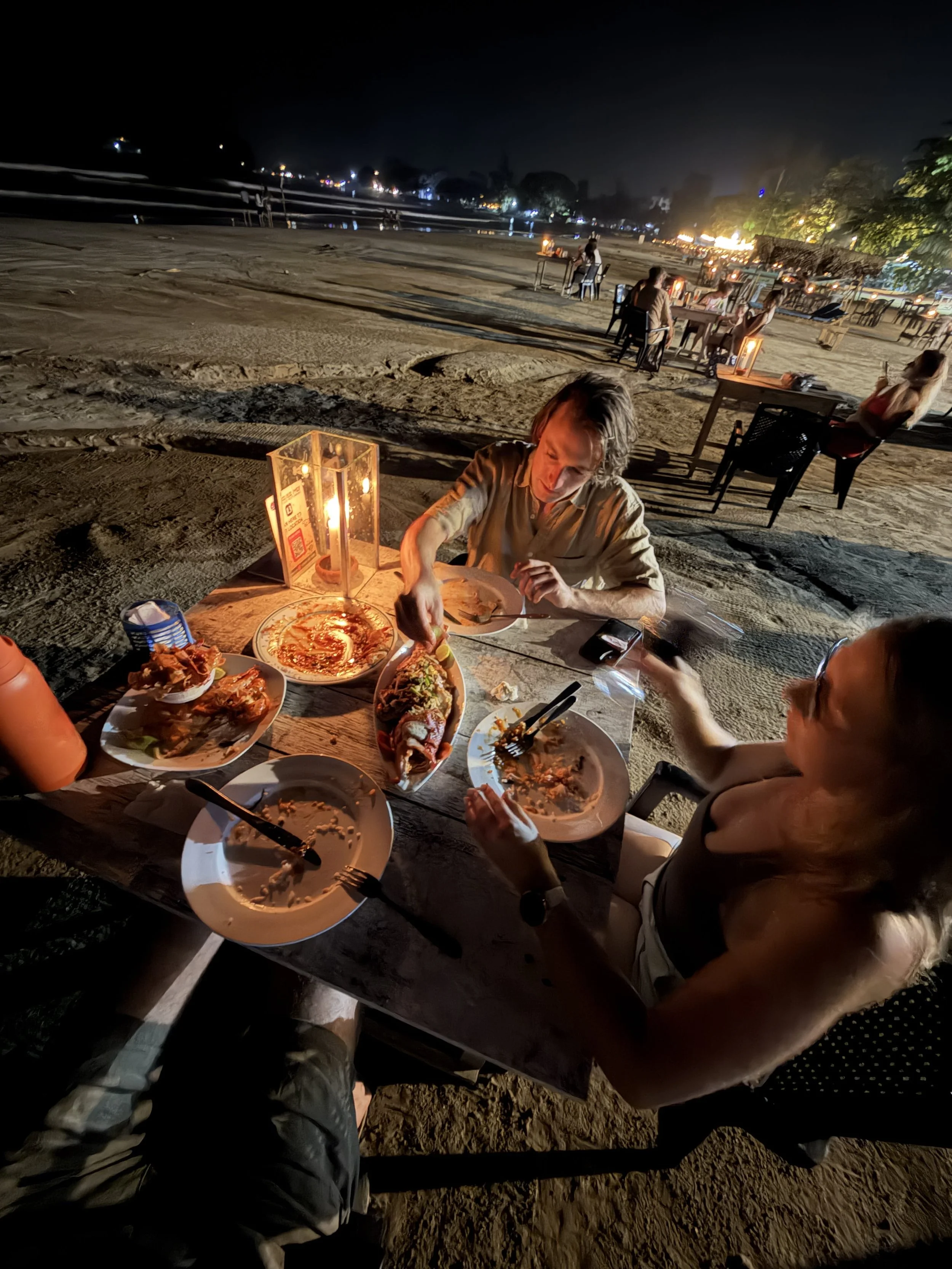
Have lunch overlooking the ocean. There are so many fresh (and cheap) seafood spots to choose from.
Explore the coastline by tuk tuk in the afternoon.
And watch the sunset.
Day 12: Ahangama
The tuk tuk beach day
One of the nicest things about having your own vehicle here is that you are not tied to one beach.
If somewhere looks busy, drive on.
If you find a quiet stretch of coast, stop.
If you discover a little restaurant with ten plastic chairs and an excellent smell coming from the kitchen, investigate. My theory is, the worse the chair, the better the meal. Tell me i’m wrong…
The south coast is particularly good for this kind of unplanned exploration.
Marshmallow cafe is my absolute favourite being able to sit in bean bags while watching surf in front of you & sipping a quality coffee, priceless!

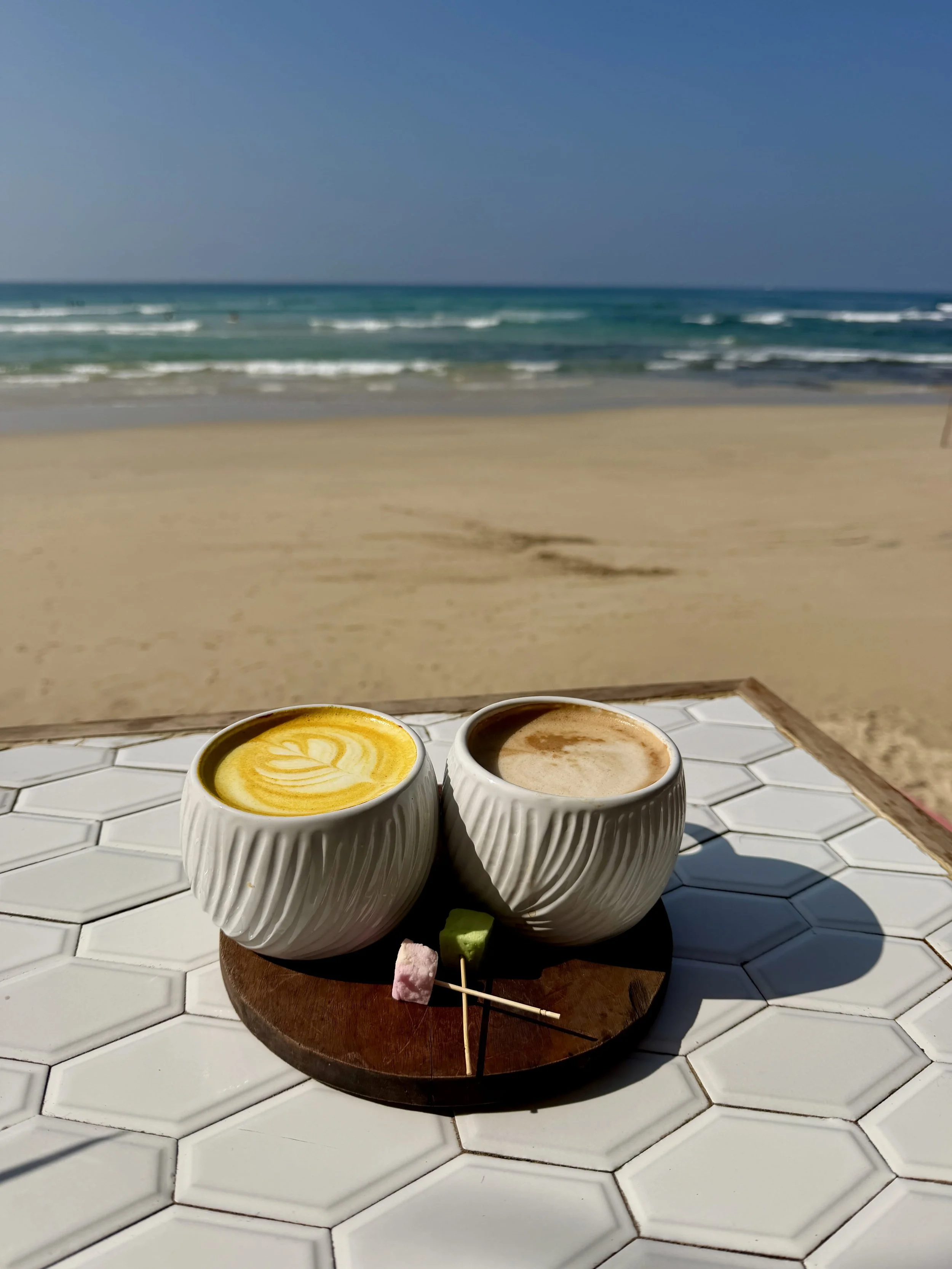
Day 13: Galle Fort
Continue west towards Galle, one of Sri Lanka's most atmospheric cities.
The star attraction is Galle Fort, with its old walls, narrow streets, colonial buildings, cafés, galleries and shops.
Park the tuk tuk and explore on foot.
This is one of those places where walking is far more rewarding than driving.
Wander without a strict plan.
Look beyond the obvious tourist streets.
Explore the old ramparts.
Watch the famous cliff jumpers.
Sit down for coffee.
Watch the ocean.
Then return to your tuk tuk and continue along the coast.
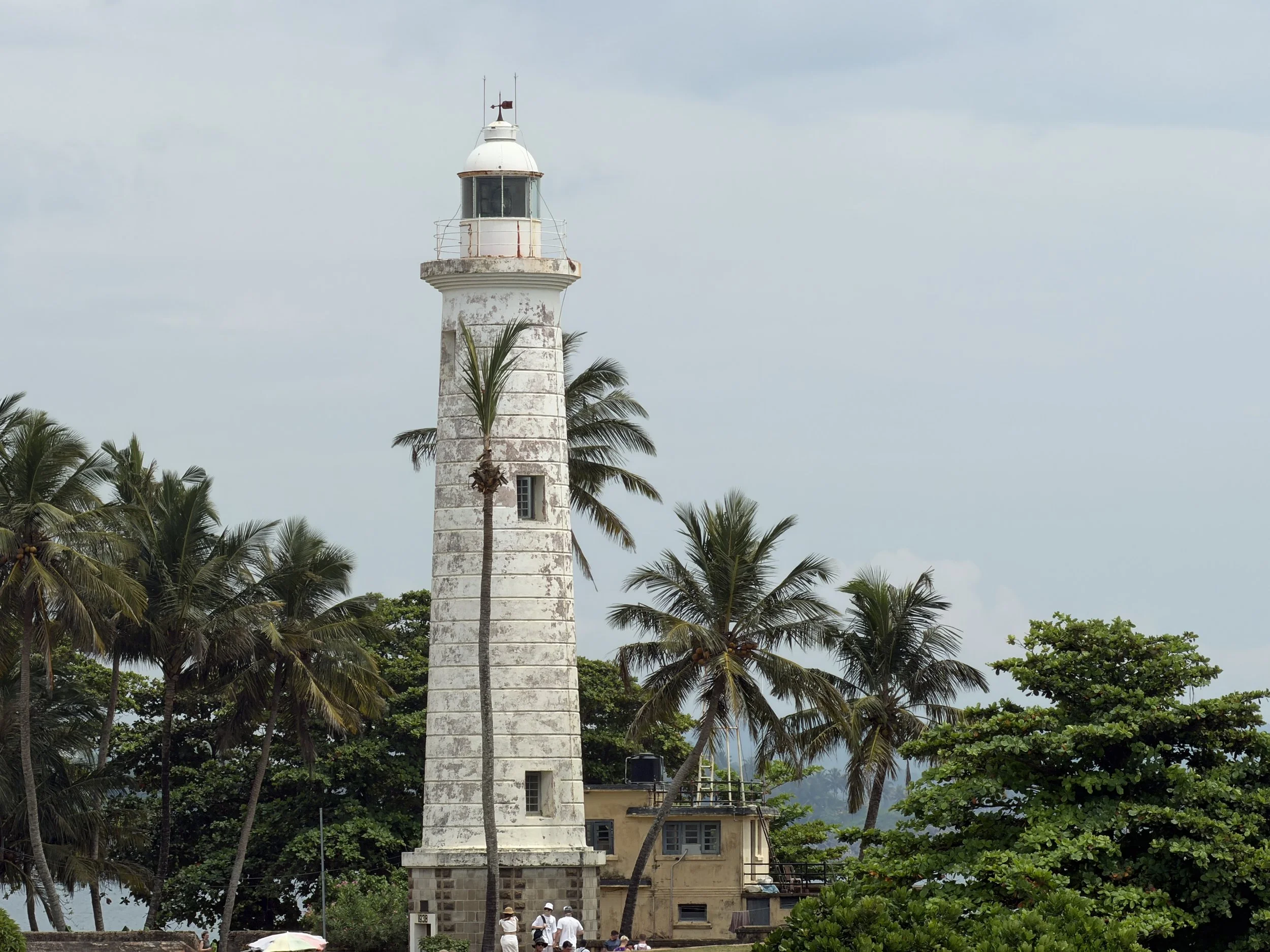
Day 14: Galle to the west coast
Your final major driving day takes you north along the western side of Sri Lanka.
Depending on your flight time and preferred route, you can spend the night somewhere along the coast (Hikkaduwa is great to relax and swim with turtles if you have time) or continue towards Negombo.
Don't make this a stressful final sprint.
Leave plenty of time.
The whole philosophy of the trip is that the road should be enjoyable rather than something you have to conquer.
You might even find yourself reluctant to return the tuk tuk.
After two weeks, the strange little machine will probably have acquired a personality.
You'll know exactly how it sounds when climbing a hill.
You'll have developed your own starting routine (remember to check the oil every morning)
You'll know which gear to use on which slope.
And you'll almost certainly have a collection of stories about it.
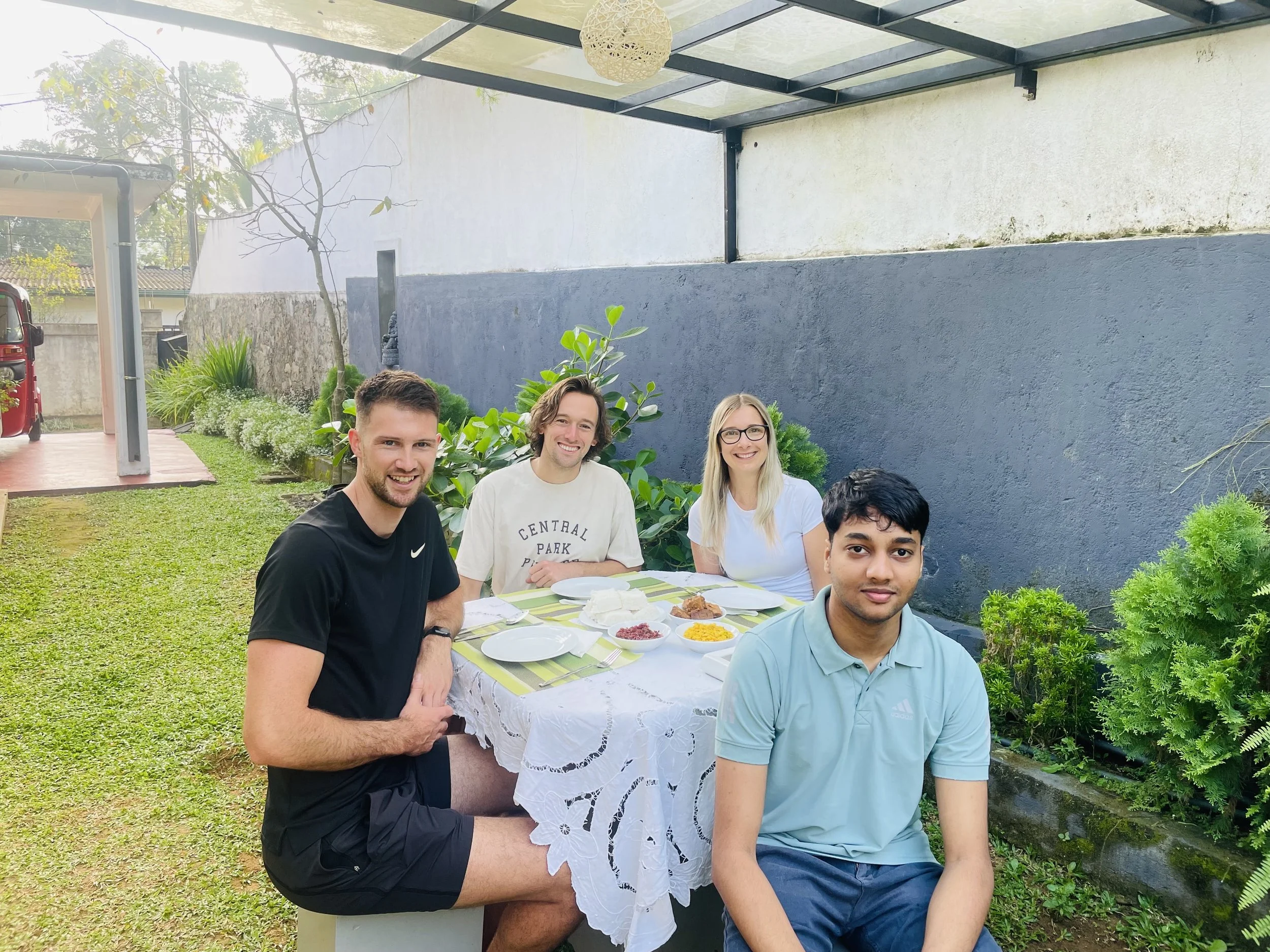
Return the Tuk Tuk
Eventually, every adventure has to end.
Return to the rental location, allow plenty of time for the handover and inspect the vehicle with the rental company.
Then make your way to the airport.
The final journey can feel strangely quiet.
For two weeks, every road has been an experience.
Every junction has required a decision.
Every stop has been your choice.
And suddenly someone else is driving you to the airport.
That's when you realise what made the tuk tuk trip special.
It wasn't just the destinations.
It was the freedom between them.
What is it actually like to drive a tuk tuk?
Let's be honest.
Driving a tuk tuk around Sri Lanka isn't always easy.
There will be moments when you question your decision.
There will be traffic.
There will be rain.
There will be hills.
There will be buses.
There may be goats.
There will definitely be people doing things on the road that you didn't expect.
But that is part of the experience.
A tuk tuk is not a sophisticated machine.
It is relatively basic, noisy and slow.
And somehow that makes it perfect.
You become much more aware of the road.
You can't simply isolate yourself behind glass and air conditioning.
You experience the weather.
You experience the smells.
You hear everything.
You are part of the landscape rather than travelling through it.
Is two weeks long enough?
Yes — but don't try to see the entire island.
Sri Lanka is deceptively compact.
On a map, destinations can look close together. In reality, roads, traffic, mountains and slower vehicles mean that journeys can take much longer than expected.
A common mistake is building an itinerary around kilometres rather than experiences.
Instead of asking:
"How many kilometres can we drive today?"
ask:
"How much time do we want to spend in the tuk tuk today?"
For a holiday like this, approximately three to four hours of driving in a day is plenty.
Some days can be shorter.
Some can be longer.
The important thing is to avoid turning your holiday into an endurance test.
What should you pack?
The beauty of a tuk tuk trip is that you don't need an enormous amount of luggage.
In fact, travelling light makes everything easier.
Essentials
Lightweight breathable clothing
Comfortable walking shoes
Sandals
Swimwear
Lightweight waterproof jacket/windbreaker for cold mornings driving
Hat
Sunglasses
High SPF sunscreen
Insect repellent
Reusable water bottle (most cafes/guesthouses had refill points) or Lifestraw
Small first-aid kit
Phone - you will need maps of some sort
Action Camera to capture the memories
Small daypack/lock to keep your larger items in the tuk tuk when you hike to a waterfall
For the tuk tuk
A few additional items are particularly useful:
Waterproof bags
Even if the weather forecast looks perfect, tropical rain can arrive quickly.
A phone mount
Useful for navigation & music
Offline maps
Mobile coverage can vary, and having offline navigation available is extremely useful.
Google & Apple maps both offer this otherwise something like Maps.me is another option
It takes up virtually no space and can be surprisingly useful to wipe down wet seats.
Small torch
Useful for evenings in rural areas without burning phone battery. Also the headlights on TukTuks can be notoriously weak so a good backup option if you get caught out.
Money and fuel
Carry cash.
Cards are increasingly useful in Sri Lanka, particularly in established hotels and restaurants, but a road trip inevitably takes you to smaller businesses where cash remains the easiest option.
Fuel planning is also important.
Don't wait until the fuel gauge is almost empty before thinking about refuelling.
When you have the opportunity to fill up, do it. Prices are regulated across the country so you won’t find it cheaper a few kms down the road. When filling up, generally the attendant does this for you and you just say “full” so they know how much to put.
The same principle applies to cash.
A little preparation saves a lot of stress. ATM’s can be hard to come by outside the cities and only allow most cards to withdraw a small amount.
Where should you stay?
One of the great advantages of travelling independently is that you don't need to stay exclusively in large hotels.
In fact, some of the most memorable accommodation can be found in smaller guesthouses and family-run properties.
Look for:
Guesthouses
Boutique hotels
Homestays
Eco-lodges
Plantation stays
Small beach hotels
A private room with breakfast in a family-run guesthouse can provide a far more interesting experience than an anonymous international hotel.
And your hosts will often be an excellent source of local information.
Ask where they eat.
Ask which road they recommend.
Ask what is worth seeing nearby.
You may discover places that never appeared on your itinerary.
Food on the road
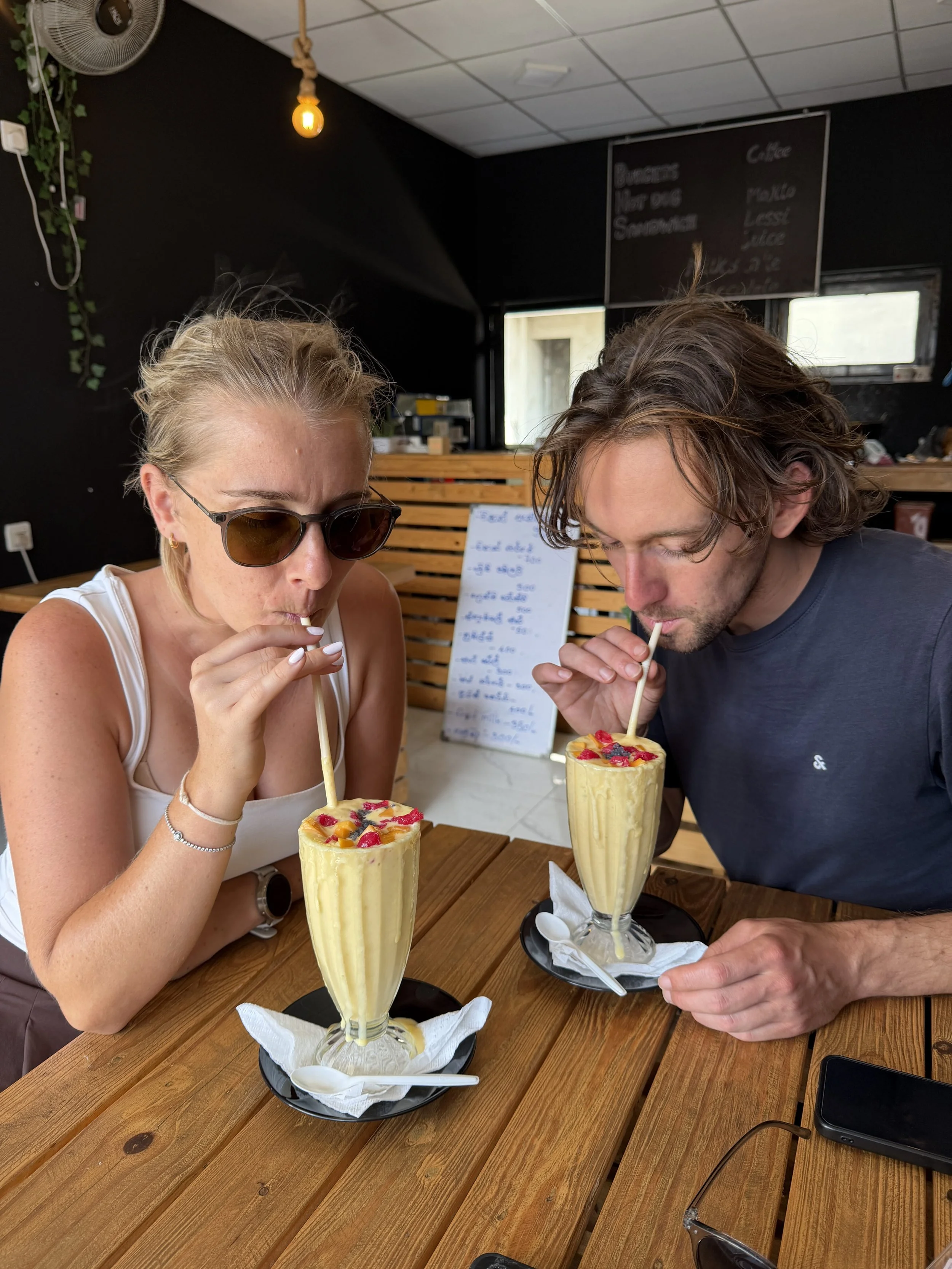
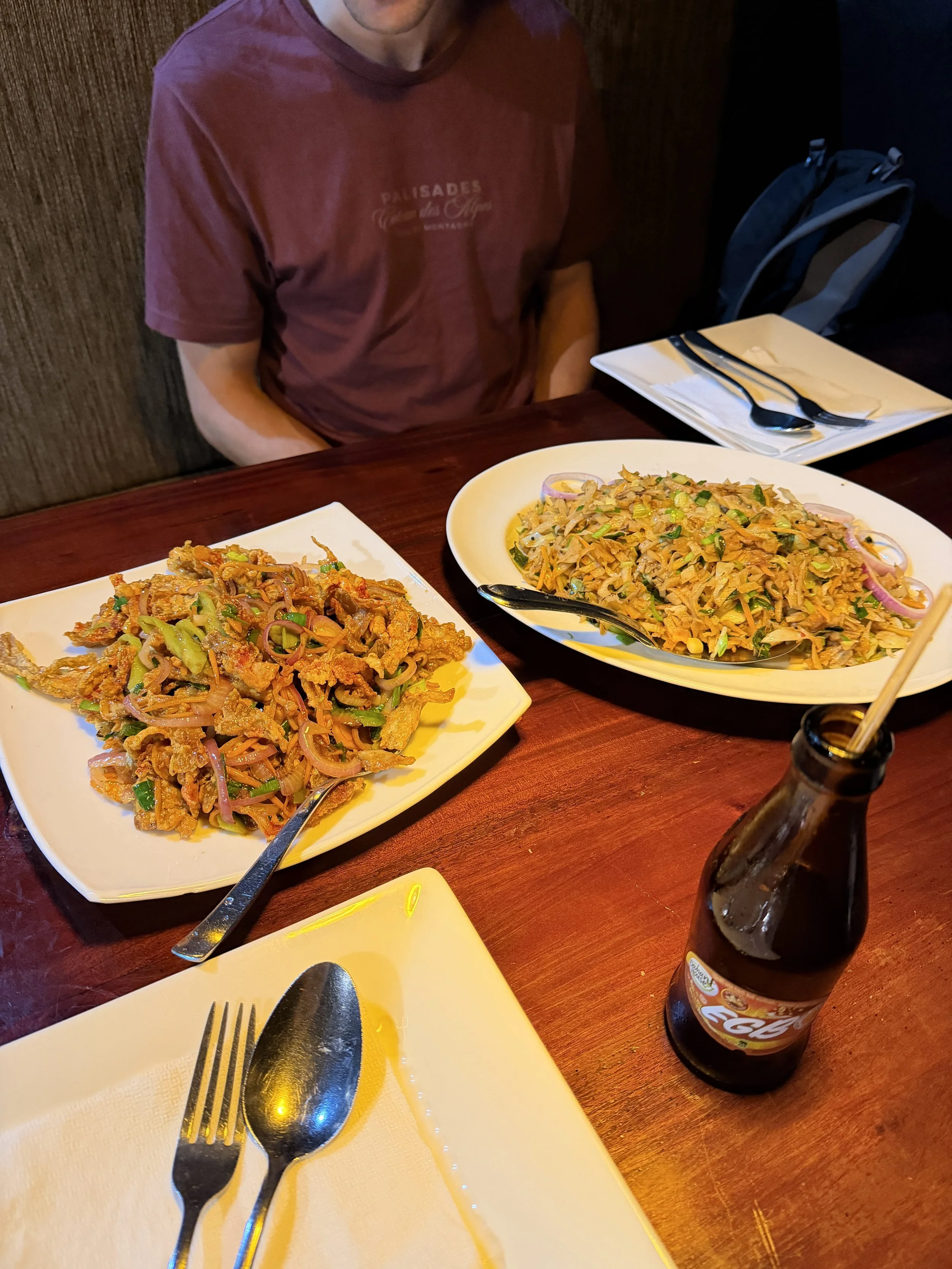
Sri Lankan food is one of the highlights of the journey & personally after this trip one of my now favourite cuisines.
Don't spend two weeks eating international hotel food.
Try the local dishes.
Rice and curry.
Hoppers.
String hoppers.
Kottu.
Dhal.
Rotis.
Fresh fruit.
Seafood.
Coconut sambol.
And plenty of tea.
One of the best strategies is to look for restaurants that are busy with local customers.
A small, busy roadside restaurant can often provide a better meal — and a much more memorable experience — than a polished tourist restaurant.
Don't be afraid to point at something you don't recognise.
That's part of the fun.
Driving etiquette and safety
The most important rule is simple:
Don't rush.
You are on holiday.
There is no prize for getting to Ella 30 minutes earlier.
Sri Lankan roads require concentration, particularly outside major towns.
Keep a generous distance from other vehicles.
Be especially cautious around buses and larger vehicles.
Watch for motorcycles.
Expect pedestrians.
Be careful around junctions.
Slow down near villages and schools.
And be particularly cautious after dark.
For a first-time tuk tuk driver, daylight driving is strongly preferable.
Rain deserves additional respect.
A tropical downpour can dramatically reduce visibility and make roads slippery.
If conditions become uncomfortable, stop somewhere safe and wait.
There is nothing wrong with taking a coffee break while the rain passes.
The most important thing: don't over-plan
This may be the hardest piece of advice for organised travellers.
Leave gaps.
Don't fill every day with attractions.
Allow yourself time to get lost.
Allow yourself to stop.
Allow yourself to change your plans.
Perhaps the best day of your trip won't be the day you climbed Sigiriya or visited Galle Fort.
It might be the day you took a wrong turn.
You followed a narrow road through a village.
You stopped beside a paddy field.
Someone invited you for tea.
You watched the sunset.
And you realised you had absolutely no idea where you were.
Those are the moments you remember.
The realities nobody tells you about a tuk tuk holiday
There are a few things worth knowing before you go.
You will get wet
Even if you have a roof.
Rain has a remarkable ability to find its way into a tuk tuk.
Keep electronics protected.
You will sweat
Sri Lanka can be hot and humid, particularly along the coast.
The open vehicle helps, but don't expect air conditioning. Especially in traffic it warms up real quick!
Your luggage will get dusty
Pack accordingly.
You will attract attention
People will smile, wave and ask questions.
Embrace it, don’t shy away from it.
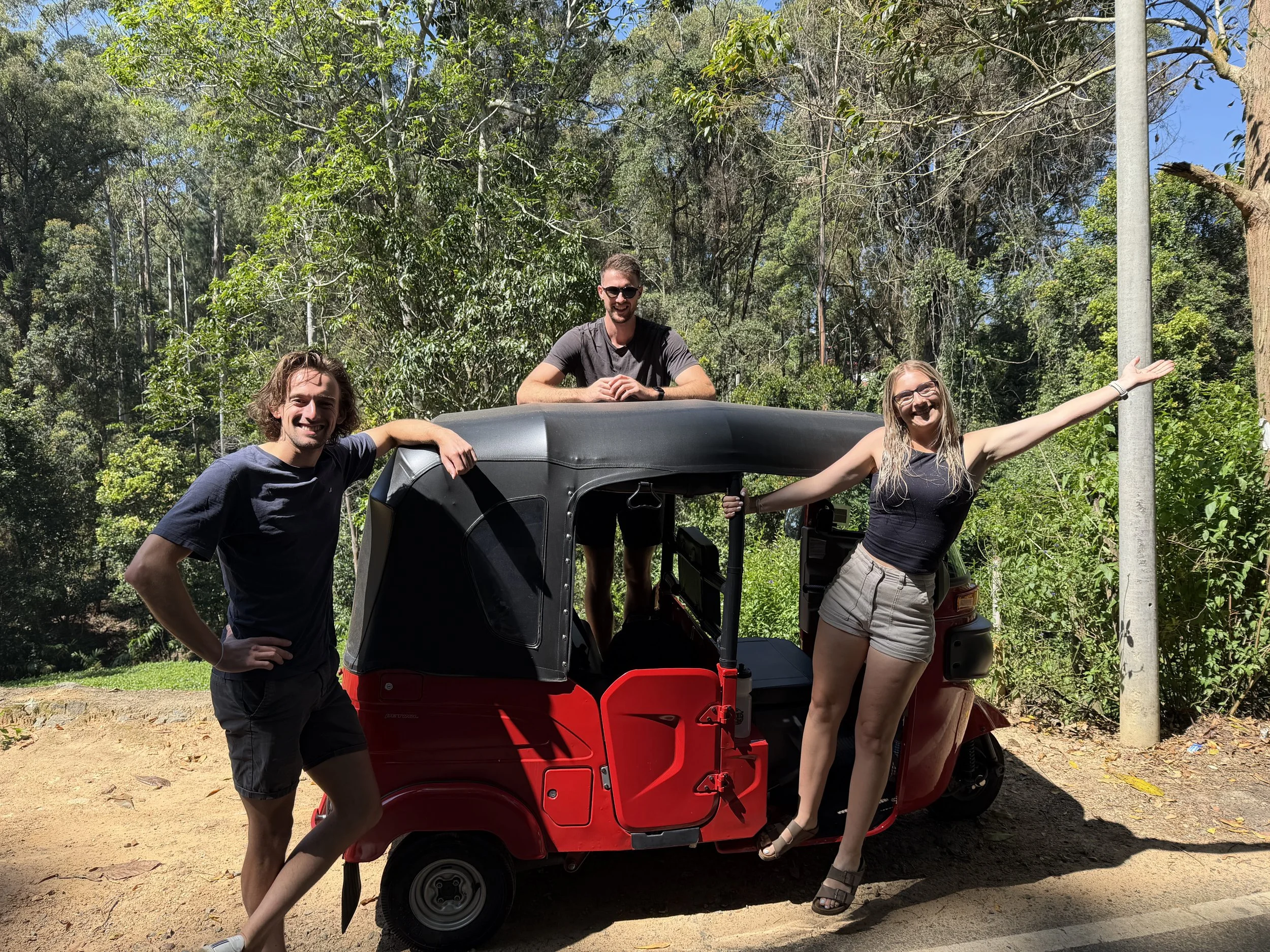
The tuk tuk will become part of your identity
By the second week, you won't simply be "travelling around Sri Lanka."
You'll be the people with the tuk tuk.
And you'll probably be surprised by how attached you become to it.
Is a self-drive tuk tuk holiday suitable for everyone?
Not necessarily.
If you want luxury, speed and complete predictability, hire a car and driver.
If you want to see as much as possible in the shortest possible time, use conventional transport.
But if you want adventure, independence and a genuinely different way of experiencing the country, a tuk tuk is hard to beat.
It is especially good for travellers who enjoy:
Slow travel
Photography
Local food
Meeting people
Improvised adventures
Road trips
Outdoor experiences
Rural landscapes
Independent travel
It is less suitable if you dislike driving, heat, unpredictable traffic or basic vehicles.
A realistic daily rhythm
The best tuk tuk days tend to develop their own rhythm.
Wake up early.
Have breakfast.
Get on the road.
Drive for an hour or two.
Stop for tea.
Continue.
Stop because you saw something interesting.
Have lunch.
Drive again.
Arrive at your accommodation.
Swim.
Shower.
Relax.
Shower again because it’s humid.
Go out for dinner.
Nightly roti for dessert.
Watch the sunset.
Repeat.
There is no need to spend every evening researching tomorrow's schedule.
Sometimes you simply wake up and decide where the road takes you.
What makes Sri Lanka so good for a road trip?
Sri Lanka packs an extraordinary variety of landscapes into a relatively small island.
In two weeks, you can experience tropical beaches, misty mountains, tea plantations, ancient cities, wildlife reserves, dense forests and historic coastal towns.
And the transitions between them happen quickly.
One morning you can be drinking tea in cool mountain air.
By afternoon, you're descending through tropical forest.
The next day, you're swimming in the Indian Ocean.
A conventional tour can show you these places.
A tuk tuk journey lets you experience the spaces between them.
That distinction matters.
The memories you'll take home
You'll remember Sigiriya.
You'll remember Ella.
You'll remember the tea plantations.
You'll remember the beaches.
You'll remember Galle.
But you'll probably also remember things that weren't in the guide.
The little roadside café where you had the best curry of the trip.
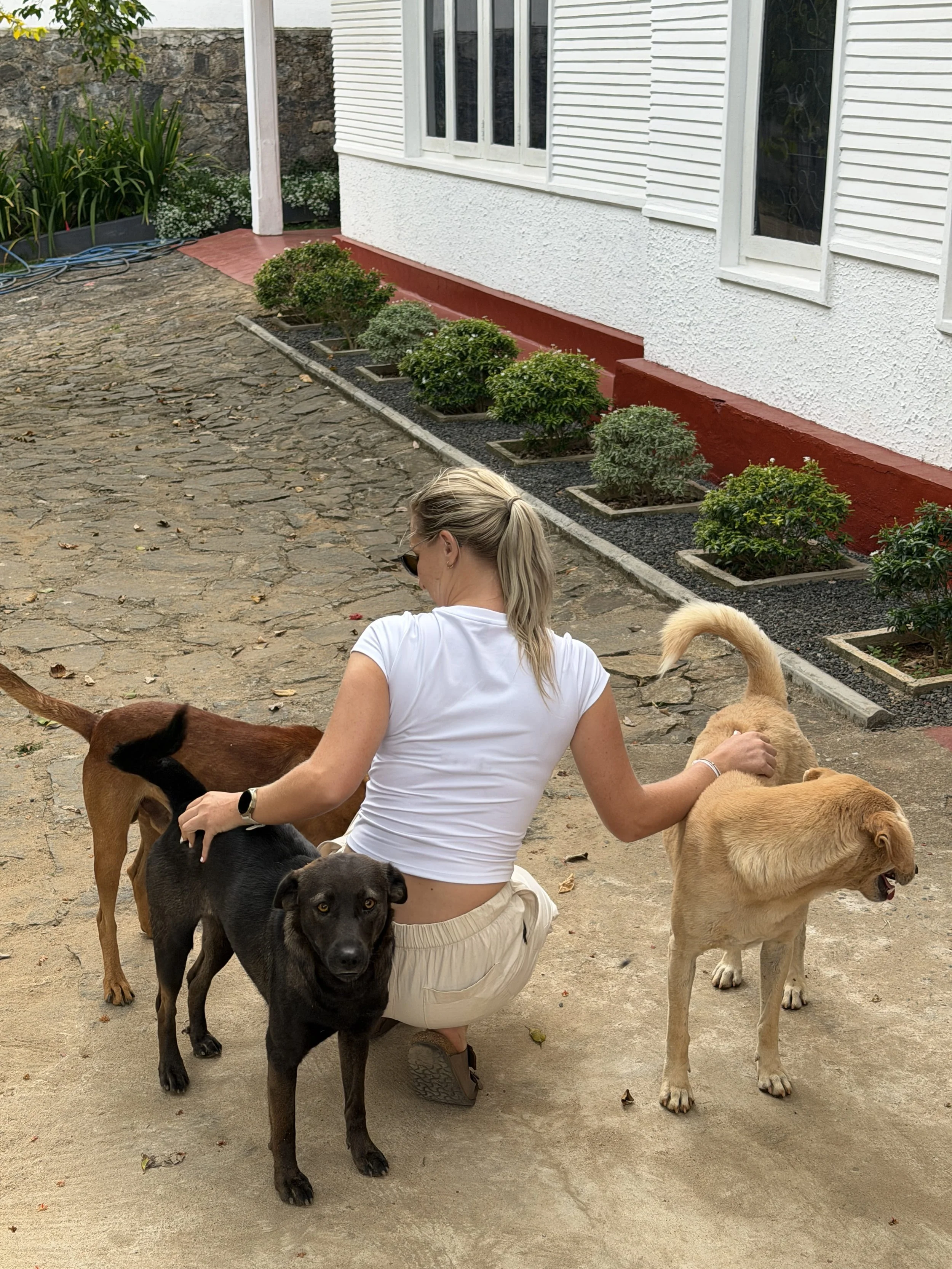
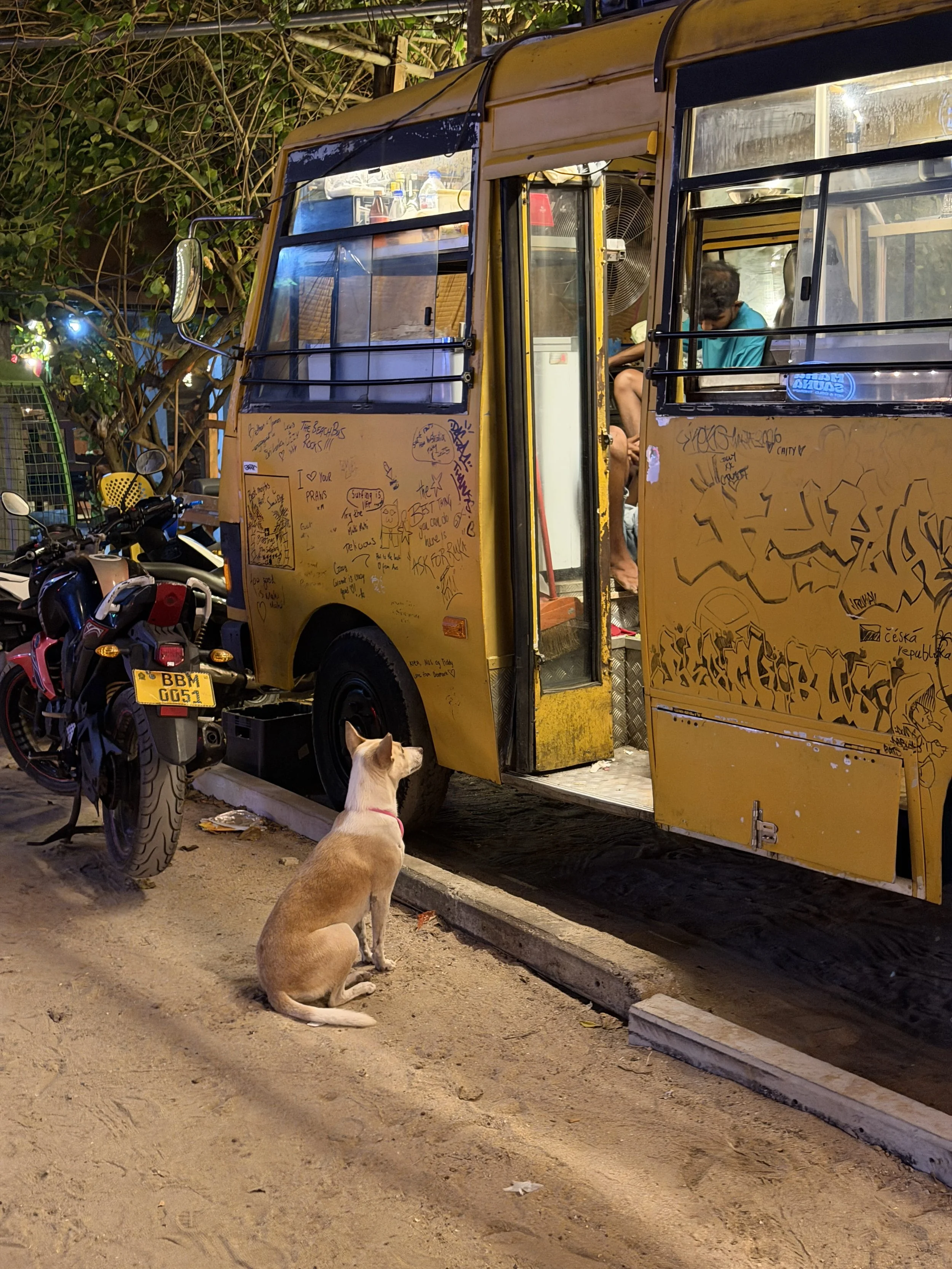
The dog that followed your tuk tuk for half a kilometre as you fear for your life.
The sudden tropical storm that ruined your shoes.
The spectacular mountain road.
The elephant you weren't expecting to see.
The family who wanted to know where you came from.
The moment you finally mastered a difficult hill start.
The ridiculous amount of luggage you somehow managed to fit into a three-wheeler.
And the feeling of turning onto an empty road with nothing ahead except green hills, palms and the sound of your little engine.
Final thoughts: take the slow road
A two-week self-drive tuk tuk holiday around Sri Lanka isn't necessarily the easiest way to travel.
That's precisely why it is so memorable.
It forces you to slow down.
It puts you closer to the people and places around you.
It encourages spontaneous stops.
It turns ordinary journeys into adventures.
And it gives you something that a conventional holiday often lacks:
a sense that you actually travelled through the country rather than simply visited it.
Sri Lanka is an extraordinary destination, but the real magic isn't confined to its famous attractions.
It's in the roads connecting them.
It's in the villages.
It's in the mountains.
It's in the roadside tea shops.
It's in the beaches you stumble across.
It's in the smiles and waves from people as your little three-wheeler rattles past.
So don't worry about seeing absolutely everything.
Pick a route.
Pack light.
Learn to drive your tuk tuk.
Leave some space in the itinerary.
And take the slow road.
Because after two weeks, you'll probably discover that the tuk tuk wasn't just the way you got around Sri Lanka.
It was the adventure itself.
Get 5% off by Clicking HERE to book your TukTuk adventure
The best eSim for unlimited high speed data in 125+ countries including Sri Lanka HERE
